

News
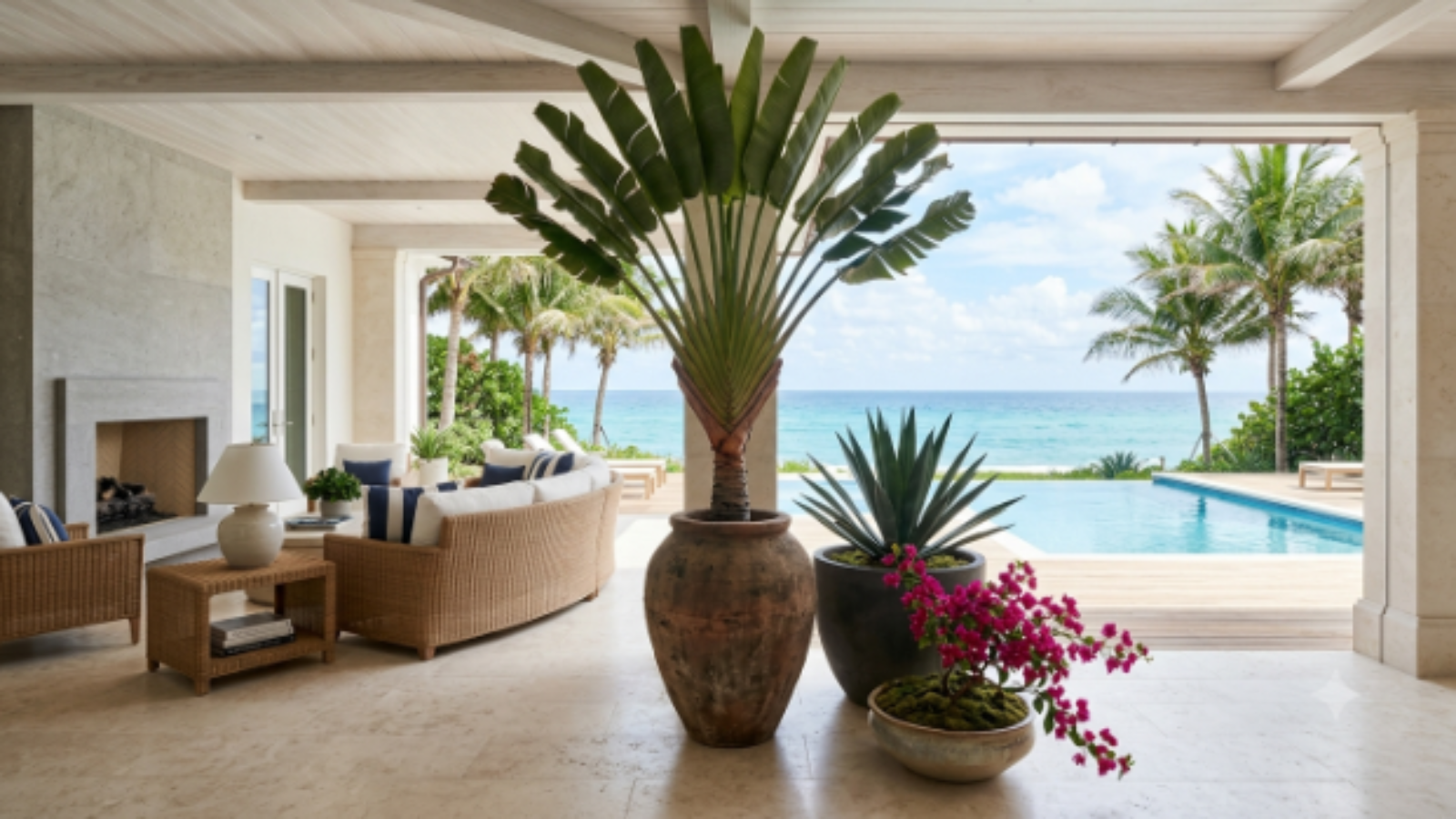

How Do Designers Source Lifelike Fake Plants?
Connect With Us! Have you ever looked at the perfect 10-foot olive tree in a high-end lobby and wondered how it maintains its perfection? Well, actually, it isn’t real—yet, it utterly tricks the eye. These days, elite decorators have dropped mass-market retail aisles altogether. Instead, they source high-definition, lifelike fake plants from exclusive, trade-only artisan fabricators such as Jardin Du Monde. This insider tip produces beautiful, virtually maintenance-free, timeless rooms that are ready to be photographed for any of the next few years out! Key Takeaways The Trade-Only Supply Chain: This Is Why Top Designers Skip The Typical Retail. Instead, they source direct from trade-only suppliers such as Jardin Du Monde, which specializes in high-quality plant reproductions. Pressing for Quality Supplies: High-end sourcing emphasizes fabric polymer chemistry that feels like a "real touch" and timber trunks sustainably sourced, as an alternative to interwoven silk fabrics that fray cheaply. Customized-to-Order: Source via professional trade channels to select not only a detailed trunk curve, halo spread, and verdant foliage density that matches the architectural volume of your project. Easy Code Compliance: Trade guarantees that durable installs comply with commercial fire-retardant certifications and removable/sanitised work that is hypoallergenic at home. High-End Replicas vs. Cheap Retail: What’s the Difference? The artificial plants sold at grocery stores or retailers come from the same mold of plastic for mass production. A genuine luxury sourcing process based on a whole new level of intangible craftsmanship, treating plant replication as high art science. The Magic of "Real-Touch" Polymers Cheap plants made from materials like shiny plastic or low-end, woven polyester fiber (traditionally referred to as "silk"). Instead, designers steer clear of these materials and rely on advanced polymer engineering: No Plastic Gloss: Real leaf molds create our high-end blinds, and they are cured to a matte finish – no artificial plastic shine whatsoever. Tactile Realism: Features compounds that also emulate the refreshing cool, a bit mc appropriate texture, and heavy weight mimicry of a live leaf in a tropical biome. It acts like natural foliage that bends and springs back when touched. Hand-Painted Gradients: Premium leaves also do not come with a flat, solid green; rather, multi-layered and hand-painted gradients, subtle veining patterns are visible in the stock, but on purpose, "natural" imperfections of faux sun-spots or immature-vegetation tips. Real, Preserved Wood Trunks Nothing ruins the illusion faster than a perfectly straight, injection-molded plastic trunk. Luxury sourcing solves this entirely through hybrid construction: In-Harvest Hardwoods: Artisan builders strip the trees of large-diameter real wood trunks harvested from sustainable forests or orchard clearings. Naturally Dried: An extensive process of dehydration and chemical treatment makes the natural wood permanently dry with genuine bark, forever saving it from rot, mold, or boring insects. Hand-Grafted Canopies: Master craftsmen manually drill into the preserved natural trunks and graft the polymer foliage branches by hand, ensuring that no two trees ever feature the same silhouette. Where Do Designers Secretly Shop for Premium Lifelike Fake Plants? The general public can't just walk into luxury manufacturing facilities. To get the best look, designers leverage closed trade networks and specialized custom fabricators. Exclusive Trade Showrooms When evaluating how designers source lifelike fake plants, the trail always leads to trade-only showrooms and exclusive design markets. Sourcing through curated trade collections gives you: Strictly Curation Quality: since these suppliers cater exclusively to designers and the design community, the quality has already been ordained upscale. Exclusive Catalogues: You scope the rare plants and unusual sculptural shapes not for sale to regular consumers on the open market. White Glove Shipping: Instead, large-scale installations are carefully crated and freight shipped so they arrive on the job site pristine, no crushed leaves or bent branches. Custom Artisan Studios For grand spaces, designers rarely buy a tree right out of a box. Instead, they collaborate directly with custom studios to design bespoke pieces: Tailored to Your Space: You provide the ceiling heights, spatial renderings, and planter dimensions, and the studio builds a tree custom-scaled to your room. On-Site Assembly: For massive statement pieces, studios will often send a specialist to the job site to hand-shape and style the canopy on-site, framing the room's natural light perfectly. Connect With Us! How to Choose the Right Plant for the Right Space To keep the illusion alive, a permanent botanical needs to make architectural sense in its interior environment. Designers use a simple strategy when choosing their pieces. Styling for Light-Starved Spots Faux plants are perfect for solving layout headaches in deep interior corridors, windowless powder rooms, and elevator lobbies where real plants go to die. But to make them look real, keep placement believable: The Survival Illusion: Place your faux plants in spots where a live plant could reasonably exist—like near soft accent lighting, large entryways, or deep window recesses. Match the Species to the Light: Sourcing a high-sun faux cactus and placing it in a dark, windowless corner instantly breaks the visual illusion. Instead, savvy decorators source shade-tolerant replicas like faux ferns, snake plants, or kentia palms for dark corridors. Meeting Safety and Building Codes When specifying greenery for commercial luxury spaces—such as restaurants, corporate offices, or hospitality projects—sourcing extends beyond aesthetics into safety: Fire-Retardant Certification: Designers source commercial-grade replicas that feature flame-retardant chemicals infused directly into the fabric or polymer layers during manufacturing to pass local fire codes. Hypoallergenic Integrity: Sourcing high-quality permanent options ensures public spaces stay completely free of soil pathogens, airborne pollen, mold spores, and bugs. The Finishing Touches: Styling, Shaping, and Potting Sourcing the tree is only half the job. To truly sell the illusion of life, an interior designer must carefully style and pot the installation like a pro. The Art of Fluffing and Shaping Branches When a premium plant arrives, it’s packed tightly for safety. It takes a designer's eye to bring it to life: Mimic Natural Light: Real plants experience phototropism (bending toward the sun). Use the internal wire cores of premium branches to manually shape the foliage so it curves gently toward the nearest window or light source. Embrace Imperfection: Perfect symmetry looks artificial. Intentionally manipulate the branches to create random gaps, asymmetric clusters, and varied angles to mirror nature’s beautiful chaos. Professional Potting and Realistic Top-Dressing A luxury faux tree should never sit exposed in its temporary black plastic nursery pot. The container and the styling base are critical to the overall installation: Secure the Base: Drop the tree into a custom, high-end ceramic, stone, or metallic planter and anchor it firmly with structural foam, heavy plaster, or weighted bricks to prevent tipping. Tricking the Eye: To finish the look, top-dress the base with completely real, organic materials. Designers fill the top few inches with preserved sheet moss, dehydrated real soil, dark river rocks, or natural wood mulch to create the perfect illusion of a living root system. Ready to Elevate Your Next Design Project? Ultimately, understanding how designers are sourcing lifelike fake plants is not the shortcut; it is parting with a sophisticated, synthetic philosophy behind luxury styling. Avoiding ordinary retail channels and partnering with top-tier trade-only industry leaders, such as Jardin Du Monde, opens up high-fidelity, made-to-order botanicals that fit into your design aesthetic. And, give your clients an amazing look needing minimal maintenance. Frequently Asked Questions Q: How can a designer easily spot a low-quality faux plant? A: Watch for shiny plastic leaves with mirrored surfaces, fraying edges of fabric along leaf edges, gloppy glue droplets at branch joints, and straight as an arrow trunks. If the leaf color is perfectly uniform all the way from root to tip, which means there is no natural gradient variation, leave it. Q: Are premium faux plants safe for homes with indoor pets? A: Yes. Unfortunately, many popular houseplants—such as fiddle-leaf figs, peace lilies, and snake plants—are also extremely toxic to cats and dogs. Getting rid of the hazards of emergency vet visits by choosing high-quality, non-toxic permanent options. Q: How do designers maintain the pristine look of faux greenery over time? A: Unlike living plants, it can be very low maintenance! Basically, grab a feather duster, use a dry microfiber cloth, or I have even seen people with small canisters of compressed air, then do this stuff every couple of weeks to remove dust that has settled on surfaces. Avoid large commercial leaf-shine sprays; those will gunk up the polymer matte finish. Q: Can indoor-sourced faux plants be used outside on a patio? A: No, unless they are specifically rated and marketed for outdoor use. Indoor faux plants do not have UV stabilizers built into them. When setting them in the sun, they soon fade to unnatural blue or yellow colors and become brittle within a few months. Connect With Us!
Learn more
Why is Decorating with Faux Plants a Designer Trend?
Connect With Us! High-end interior designers are getting into decorating with faux plants in places from Water Street Tampa high-rises to Sarasota estates as a way to ground luxury spaces. Artificial greenery used to be a huge interior design no-no, but advancements in material development have transformed public perception. These days, designers often specify hyper-realistic permanent botanicals to bring architectural stature and organic texture into spaces. This transition addresses low-light spatial dilemmas while pairing superbly with an effortless, luxurious turn-key lifestyle that high-net-worth clientele seek. Want a preview of how this can heighten your next project? Keep reading for why a few of the biggest designers are never looking back. Key Takeaways Artistic Material Evolution: Advanced polymers and natural wood trunks have entirely replaced cheap, glossy silk materials. These modern permanent botanicals easily pass the close visual and tactile inspection of affluent clients. Solving Architectural Obstacles: Modern floor plans often feature deep, low-light interior corridors and specialized UV-tinted glass walls. High-end faux plants allow decorators to bring lush greenery into these challenging spaces without risk of plant death. Low-Maintenance Luxury Lifestyle: Discerning clients demand lock-and-leave convenience for their luxury vacation properties and primary residences. Permanent greenery eliminates the need for ongoing watering services, destructive pests, and mold. Flawless Spatial Proportions: Designers gain absolute control over the height, canopy spread, and structural weight of their botanical installations. This ensures that grand, double-height rooms maintain their carefully planned balance permanently. Decorating with Faux Plants: What Changed? The era of shiny, fraying fake plants is officially over. Today’s luxury permanent botanicals are manufactured as fine art replicas. Decorating with faux plants uses cutting-edge material science to flawlessly mimic the exact weight, texture, and organic variation found in living nature. Material Innovation and Fine Art Manufacturing Modern permanent botanicals leave cheap construction in the past. Today's luxury replicas are treated as fine art sculptures. Manufacturers use advanced chemistry to fool the senses: Real-Touch Polymers: Specialized matte-finish coatings remove the telltale plastic shine. They replicate the authentic, slightly waxy texture of live leaves. Hand-Painted Gradients: Stems and leaves feature subtle imperfections and varied color shading. They perfectly mimic new-growth tips versus mature foliage. Preserved Organic Elements: Trees utilize sustainably sourced, real wood trunks. The wood is water-treated for preservation, and faux foliage is meticulously grafted on by hand. Passing the Discerning Client Test Because of these technological shifts, you can confidently place these pieces in high-traffic zones: Visual Fidelity: Replicas easily pass close-up visual inspections by affluent homeowners and guests. Tactile Realism: Leaves feel organically heavy and pliable rather than rigid or papery. Portfolio Integrity: Your high-end design portfolio maintains an elite, cohesive aesthetic without being cheapened by low-grade accents. How Do Modern Floor Plans Demand Artificial Solutions? Contemporary architecture creates beautiful spaces, but its deep layouts and heavily filtered windows present major survival challenges for living greenery. High-end faux plants offer designers an elegant workaround to introduce vibrant, organic life into light-starved indoor microclimates. Navigating Low-Light Blind Spots Modern luxury architecture introduces massive logistical headaches for keeping live plants healthy. Sprawling floor plans often create zones where natural sunlight cannot penetrate: Deep Interior Corridors: Windowless hallways and entry vestibules receive zero usable daylight. Secondary Luxury Spaces: Walk-in closets, home theaters, and powder rooms are left entirely dark for long stretches. Elevator Lobbies: High-rise entry points require organic softening but completely lack solar exposure. The UV-Tinted Glass Trap Conversely, the massive glass walls found in luxury high-rises create a paradox that starves live vegetation: Photosynthesis Starvation: Modern windows feature high-performance UV-inhibiting tints. These tints protect your custom furniture, fine art, and hardwood floors from sun damage. Spectral Filtering: This filtered glass strips away the specific light wave spectrums that living plants require to survive. The result is rapid, leggy growth and eventual death. The Faux Advantage: Premium permanent botanicals look pristine sitting directly next to UV-protected glass walls year after year. They will not fade, yellow, or degrade. Connect With Us! Why Do Clients Prefer Low-Maintenance Luxury? Wealthy homeowners value peace of mind and time savings most of all. Therefore, permanent botanicals align perfectly with the modern lock-and-leave lifestyle and eliminate structural risks (water damage and indoor soil pests), as well as perpetual plant maintenance. Preserving Time and Peace of Mind Luxury is, in essence, all about saving time and peace of mind. Just like hoteliers, wealthy homeowners—especially those with second homes on the beach in Florida—prefer no-continuous-operations solutions: Zero Travel Anxiety: Homeowners can lock up a penthouse for six months. They return to find their greenery looking exactly as vibrant as the day they left. No Maintenance Contracts: Bypassing the need to hire indoor plant-watering services. This keeps private residences completely private while clients are away. Predictable Visual Layouts: The vignette stays styled exactly as you intended on day one. There is no unexpected overgrowth or awkward bare spots. Safeguarding Interior Finishes Live soil and regular watering schedules introduce physical risks to high-end real estate. Permanent options eliminate these hazards: Preventing Water Damage: No leaking saucers or condensation rings. Your expensive custom rugs and site-finished hardwood floors remain completely safe. Hypoallergenic Spaces: Eradicating the risk of indoor mold spores, damp soil pathogens, and airborne pollen. Pest Eradication: Zero soil means avoiding annoying infestations of fungus gnats, mealybugs, and spider mites. These pests quickly spread and ruin a pristine interior. Can Faux Plants Truly Solve Spatial Scale Issues? Achieving flawless proportion is one of the greatest challenges in luxury interior styling. Customizable permanent plants grant decorators absolute mathematical control over height and canopy spread, enabling seamless design integration without structural weight limits or shock-induced leaf loss. Perfect Control Over Proportions In interior decoration, scale and proportion are everything. When you draft a rendering for a double-height great room, you require precise dimensions to balance the soaring vertical architecture: Engineered Silhouettes: You can specify the exact height, canopy spread, and branch density needed. This allows you to perfectly frame a fireplace or anchor a grand staircase. Eliminating Leaf-Drop Shock: A live tree of massive scale is highly susceptible to climate shock. Moving it indoors often causes it to drop half its leaves, ruining your room's intended balance. Structural Lightweight Sizing: Custom faux installations provide towering height without the crushing weight. You avoid dealing with massive root balls and water-logged soil containers. Versatile Custom Placement Permanent options expand where and how you can introduce green elements. You are no longer constrained by structural weight or plumbing access: High-Shelf Styling: Place trailing greenery on top of tall built-in cabinetry where watering would normally require a ladder. Bespoke Florals: Arrange delicate architectural blooms like Calla Lilies and Orchids into custom, turn-key centerpieces. They never fade or drop sticky petals on dining surfaces. Consistent Year-Round Textures: Maintain a lush, tropical, or Mediterranean feel regardless of shifting seasonal light changes outside. Ready to Elevate Your Next Design Project? Specifying permanent botanicals is not a shortcut. It is about raising the lifespan, elegance, and function of luxury design. The removed risks of light deprivation, water damage & seasonal decay allow you to deliver perfectly pristine, biophilic spaces again and again for years down the line. If you are an interior designer, architect, or home decorator in the competitive Florida luxury market, decorating with faux plants is your edge. Having a custom botanical artistry trade partner you can trust changes the game. check our website at jardindumonde.com for more information. Frequently Asked Questions Q: Are faux plants safe for households with pets? A: Yes. Houseplants, such as fiddle-leaf figs, peace lilies, and snake plants, are extremely poisonous to cats and dogs. However, with artificial plants, there is absolutely no risk of chemical poisoning or sap itch. So, you will not find yourself having to make a sudden trip to the vet. Q: How do designers avoid looking unnatural when styling fake greenery? A: The main trick is to use the fake foliage only where a live plant could realistically survive. Do not keep fake trees in dark, completely black interior basements. Place them instead near soft accent lighting, windows, or large entryways where natural light sells it. Q: Can indoor permanent botanicals be placed outside on a patio? A: Standard indoor faux plants are not made with UV stabilizers and weatherproof coatings built right in, but only when specially engineered for outdoor usage and labeled. The leaf material gets broken down rapidly by the hot Florida sun, and within months, green pigments will become completely degraded and appear blue. Q: How do you keep high-end faux plants clean and dust-free? A: Caring for luxury permanent botanicals has pretty low upkeep. Dust off surfaces with a microfiber cloth, feather duster, or even compressed air as needed every two weeks or so. It maintains the freshness of matte-finish leaves without resorting to heavy, sticky leaf-shine sprays. Connect With Us!
Learn more
Where Should Designers Style Faux Indoor Plants?
Connect With Us! From St. Petersburg high-rises to Sarasota estates, decorators turn to premium faux indoor plants to bring the outdoors inside. While live greenery struggles with the practical constraints of elite architecture, hyper-realistic permanent botanicals maintain strict spatial proportions and visual perfection across high-end properties. This technical guide uncovers the exact microclimates and spatial blind spots where faux options outshine living plants, acting as a turn-key roadmap for busy design professionals looking to deliver flawless, lock-and-leave projects. Ready to maximize your project's organic potential? Read on to discover the top designer locations for styling premium faux greenery. Key Takeaways Navigating Structural Blind Spots: Deep interior hallways, low-light entry foyers, and windowless powder rooms represent ideal zones for high-end replicas. These spaces starve living plants but thrive visually with permanent alternatives. Neutralizing High-Sun Window Traps: Massive glass walls with UV-blocking treatments create a survival paradox that rapidly kills real vegetation. High-quality faux species sit perfectly in these sun-drenched architectural focal points without fading. Protecting Luxury Hard Surfaces: Eliminating real soil and drainage trays prevents irreversible water rings and moisture damage on delicate materials. Custom wood millwork, natural stone counters, and silk rugs remain entirely safe. Scaling Double-Height Volumes: Massive vertical footprints require soaring anchor trees that are structurally lightweight and immune to leaf drop. Permanent trees deliver flawless, enduring proportions to grand great rooms. Which Low-Light Zones Benefit Most from Faux Indoor Plants? Deep architectural layouts often contain dead space entirely devoid of natural sunlight. Forcing live plants into these windowless pockets guarantees leaf yellowing and rapid rot, making them prime territory for introducing high-end botanical replicas. Windowless Powder Rooms and En-Suites Luxury bathrooms are exceptional showcases for organic lines, yet they frequently suffer from zero solar exposure. Styling premium faux ferns, cascading pothos, or delicate calla lilies on marble vanities completely redefines the atmosphere: Humidity Shielding: Live plants can rot or develop soil mold in enclosed, steamy environments. Zero-Light Stability: High-end replicas provide a fresh, spa-like biophilic element that remains vibrant in total darkness. Vanity Counter Protection: Eliminating wet pots protects unsealed natural stone counters from permanent hard-water staining. Deep Interior Corridors and Elevator Lobbies Grand entryways and structural hallways establish the initial design narrative but rarely feature functional windows. They are the exact answer to where designers should style faux indoor plants to soften rigid architecture: Welcoming Texture: Placing a stately, structural faux snake plant or custom grass arrangement in a recessed wall niche creates immediate visual interest. High-Traffic Durability: Replicas handle accidental bumps from guests or luggage far better than fragile, live foliage. Visual Continuity: Hallways remain consistently lush, connecting separate light-filled living spaces with unbroken green elements. Why Style Replicas in High-Sun Window Traps? Counterintuitively, the brightest areas of a luxury home are often the most lethal for real vegetation. High-performance architectural glass creates specific environmental traps that demand an engineered, fade-resistant botanical solution. The UV-Filtered Glass Paradox Modern penthouses and waterfront estates utilize floor-to-ceiling windows treated with advanced UV-inhibiting tints. These specialized coatings protect multi-million dollar interiors but inadvertently kill live plants: Light Wave Starvation: UV filters strip away the exact solar wavelengths needed for natural photosynthesis, causing real trees to slowly starve. The Faux Alternative: Siting an ultra-realistic faux olive tree or a massive traveler’s palm directly against the glass delivers the desired indoor-outdoor view without plant degradation. Zero Scorching: Replicas will not suffer from leaf-burn when subjected to hours of magnified heat radiating off the glass. High-Heat Solariums and Sunrooms South-facing window walls can act as greenhouses, spiking ambient temperatures beyond what sensitive indoor tropicals can handle. When specifying greenery for these intense sun zones, designers prefer faux indoor plants because they never wilt, require zero hydration, and easily withstand the midday heat: No Drying Out: Replicas do not require constant, frantic watering schedules to combat rapid evaporation. Color Fastness: Premium botanicals are engineered with high-grade UV stabilizers built directly into the polymers, preventing fading or leaf yellowing. Maintained Silhouettes: The branches will not unnaturally bend or lean heavily toward the glass searching for light, preserving your intended geometric layout. Contact Us How Do Hard Surfaces Dictate Faux Plant Placement? Water damage is one of the costliest liabilities in high-end residential design. Sitting live, draining pots on top of luxury materials introduces constant risk, making permanent options the intelligent choice for protecting expensive client finishes. Custom Millwork and Built-In Library Shelving Styling greenery on top of bespoke cabinetry adds beautiful vertical movement, but watering overhead is a disaster waiting to happen. Faux trailing plants offer the perfect compromise: Zero Overflow Risk: No chance of forgotten water trays overflowing and warping expensive custom walnut or oak cabinetry. No Ladder Required: Eliminates the client burden of climbing ladders with watering cans, preventing scuffs on cabinetry faces. Permanent Staging: The vines remain perfectly draped over the shelf edges exactly how you styled them for photography. Hardwood Flooring and Fine Silk Area Rugs Massive floor planters hold large amounts of damp soil, which continuously vents moisture downward through the base of the container. Faux trees completely protect these floor surfaces: Eradicating Condensation Rings: Eliminates the hidden condensation trap that ruins site-finished white oak or exotic wood flooring underneath. Stain Prevention: Zero soil runoff means no muddy water leaking onto priceless, custom-woven silk or wool area rugs. Lightweight Flexibility: Without heavy wet dirt, massive containers can be easily shifted during seasonal room re-arrangements without scratching the floors. Can Faux Greenery Solve Scale in Grand Spaces? Double-height great rooms and sweeping staircases demand massive botanical scale to feel balanced. Sourcing, delivering, and keeping an 11-foot living tree pristine indoors is logistically impractical, highlighting the power of custom replicas. Double-Height Great Room Corners A vast room with 20-foot ceilings requires an anchor piece that bridges the massive vertical gap. Custom faux trees provide unmatched benefits in these soaring volumes: Engineered Heights: You can specify the exact height, canopy spread, and branch density needed to scale beautifully with the room's molding. No Acclimatization Shock: Large living trees frequently experience shock when moved, dropping substantial amounts of leaves and instantly ruining the room's scale. Low Structural Weight: A large faux tree uses a lightweight core, avoiding the immense weight of massive root balls that can stress subfloors. Floating and Spiral Staircase Centers The empty void in the center of a grand staircase is a classic styling opportunity, but it is notoriously difficult to maintain. Faux installations solve this perfectly: Bespoke Canopy Shaping: Foliage can be hand-sculpted to wrap around the contours of the steps without blocking the architectural view. Zero Litter: No dead leaves or sap dropping down onto the stair treads, keeping high-traffic footpaths clean and safe. Consistent Form: The tree looks pristine from every angle—whether viewed from the ground floor foyer or looking down from the second-story landing. Ready to Elevate Your Next Design Project? Ultimately, knowing where to style faux indoor plants comes down to identifying structural limitations and exploiting them beautifully. Utilize terrific everlasting botanicals where live crops are unable to perform, such as in low-light blind spots, UV-tinted windows, fragile tough surfaces & high-flying vertical corners. The only answer: The right elite botanical supplier, perfectly positioned to provide you with the efficient project execution that not only pays off but guarantees your clients' happiness long after they have left. Contact Jardin Du Monde for more information. Frequently Asked Questions Q: What are the key indicators of a high-quality faux plant? A: Seek out true-touch polymer leaf coatings that remove synthetic shine, foliage put together by hand that reveals real-life color gradients, and actual wood for the trunks preserved in a natural state. When picking out a patch, avoid pieces that have visible plastic seams or that the edges of the fabric are frayed, or perfectly symmetrically laid leaves, which ruin any illusion. Q: How do you properly anchor a faux tree in a designer planter? A: Place the tree’s base insert inside your chosen luxury container, secure it using dense floral foam or weighted bricks, and top-dress the surface. Fill the top two inches with premium preserved sheet moss, polished river rocks, or real dehydrated soil to mimic a genuine planting method. Q: How often should permanent indoor installations be maintained? A: Very low-maintenance, they are suitable for clients who are busy people or those with a second holiday home. Just blow away surface dust with compressed air or wipe down the leaves with a dry microfiber cloth every few weeks; avoid water or harsh chemical cleaners, which can break down the polymers. Q: Should you mix live and faux plants within the same room layout? A: Yes, this is an excellent trade secret known as hybrid styling. Placing a highly realistic faux tree in a dark, problematic corner while keeping small, hardy live succulents on a sunlit table confuses the eye and makes the entire space feel undeniably authentic. Connect With Us!
Learn more