

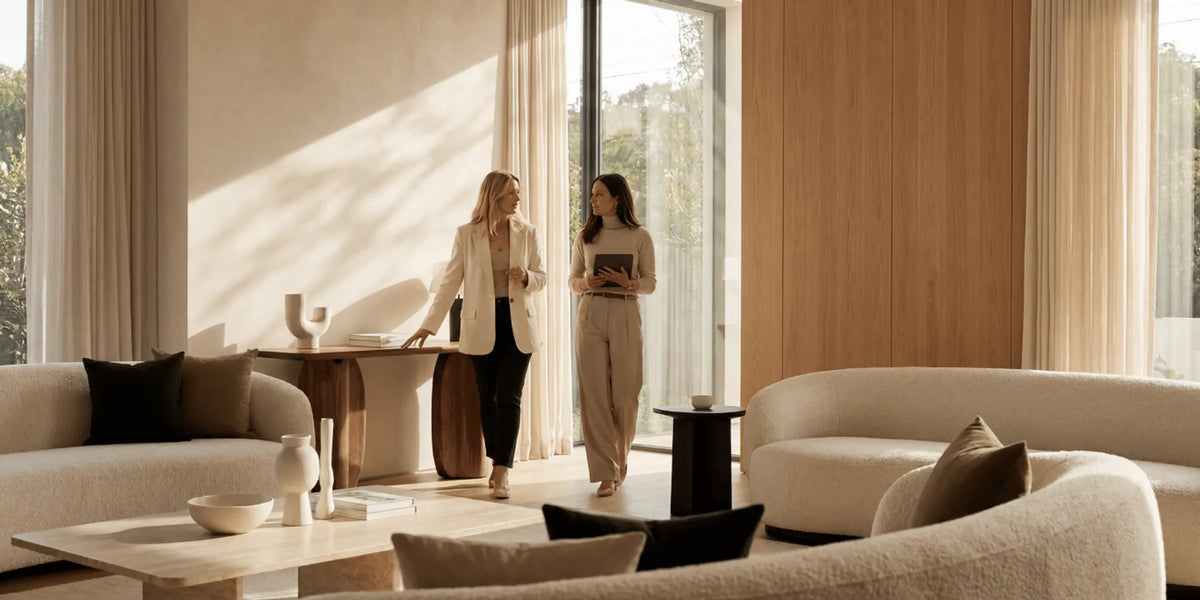
You know the room is close, but it still does not feel like you. Perhaps the entry lacks a focal point, or the living room feels formal despite its beautiful furnishings. An artificial plant design consultation can help put that sense of incompleteness into words and turn it into a clear design direction. A botanical specialist considers the architecture, sightlines, light, materials, and how people use the space before recommending plants, trees, florals, grasses, or succulents. The result may be one sculptural piece or a coordinated arrangement across several rooms. You do not need to arrive with a designer’s eye or a finished plan. A few photos and an honest description of what feels unresolved are a helpful start.
Key Takeaways
- Begin with the room’s atmosphere: Describe what feels unresolved and how you want the space to feel, then let those priorities guide the botanical direction.
- Consider the whole composition: Architecture, scale, light, placement, botanical form, and vessel should work together so greenery feels connected to the interior.
- Prepare for a clear consultation: Share photos, measurements, inspiration, and practical needs, then confirm the recommendations, costs, care, and whether a ready-made piece or bespoke design is the right fit.
What Is an Artificial Plant Design Consultation?
An artificial plant design consultation is a conversation about how botanical art can help a space feel warmer, more considered, and complete. Instead of selecting greenery in isolation, a specialist considers how plants, trees, florals, grasses, and vessels relate to the room’s architecture, furnishings, light, and purpose.
The conversation may begin with a simple feeling: a room looks beautiful, but still feels unfinished. A consultant can help identify what may be missing, then recommend botanical forms, scale, and placement that support the character of the space. The result could be one sculptural focal point or a coordinated composition for several rooms.
A consultation can also help you decide whether a ready-made piece suits your needs or whether the space calls for a custom design. You can share what you love, what feels unresolved, and how you want the room to feel. From there, the specialist can guide the botanical choices with the wider interior in mind.
Tailor botanical art to homes, hotels, yachts, aircraft, and offices
Each setting has its own needs. A home might call for a sculptural tree to bring softness to a quiet corner, while a hotel entrance may need a memorable arrangement that reflects the property’s identity. Yachts, aircraft, and executive offices require careful attention to space, movement, and the way people experience the interior.
A consultant considers who uses the space and what the botanical design needs to contribute. That might mean choosing a striking focal point, creating a welcoming first impression, or introducing greenery where a live plant would be impractical. Services such as U.S. Plants, Inc.’s artificial plant design likewise tailor plants, arrangements, and containers to different interiors. Jardin Du Monde offers personal consultations to discuss your space and botanical direction.
Define the atmosphere, not just the plants
A considered botanical composition does more than add greenery. It can soften strong architectural lines, bring warmth to a formal room, or give the eye a natural place to rest. That is why a consultation starts with the atmosphere you want to create, not simply a list of plants you like.
A designer may ask what feels unresolved, which views matter most, and how you want family, guests, clients, or colleagues to experience the room. Then they can consider scale, form, color, and placement as part of the whole interior. Foliage Design Systems describes how artificial foliage can provide consistent visual impact in professional environments. The aim is a composition that feels connected to the architecture and furnishings, rather than an object added at the end.
Choose bespoke design or products
Some spaces need a custom composition. Unusual proportions, a distinctive architectural feature, or a specific mood may call for a botanical arrangement designed around the room. A bespoke approach considers the botanical forms, placement, and vessel together, so the finished work feels intentional in its setting.
A ready-made piece may be a better fit when you already know what the space needs. You can explore Jardin Du Monde’s tree collection for sculptural forms or its floral collection for composed arrangements. If you are unsure which option will work with your interior, a personal consultation gives you a chance to discuss the room, share your priorities, and determine a suitable next step.
Why Use Artificial Plants in Commercial Spaces?
In a hotel lobby, executive office, yacht, or aircraft cabin, greenery can make the setting feel more welcoming and complete. It can soften stone, glass, and other hard finishes, add a focal point to an open area, or bring visual balance to a room with considered architecture. The most effective botanical design does more than fill an empty corner: it responds to the space’s proportions, materials, and atmosphere.
Artificial plants are a practical option when live greenery would be difficult to maintain or place. They don’t need watering, pruning, or natural light, so they can provide a consistent look in areas with different conditions. They still need occasional care, and they don’t purify the air, so it’s important to set realistic expectations. Quality and composition matter, too. Natural-looking detail, considered scale, and a vessel suited to the interior help permanent botanicals feel intentional rather than generic.
For commercial projects, the choice is about more than convenience. Thoughtfully placed greenery can shape how guests, clients, and teams experience a space. A personal consultation can help determine whether a room needs a sculptural tree, a composed floral arrangement, or another botanical form.
Keep greenery consistent without watering, pruning, or natural light
Live plants depend on suitable light, water, and regular care. Those conditions can vary widely across a commercial property: a lobby may receive daylight, while a meeting room, corridor, or aircraft cabin may have little or none. Artificial botanicals make it possible to maintain a consistent visual impression across these different spaces without arranging routine watering or pruning.
This can be especially helpful in reception areas, hotel entrances, and executive offices, where the room needs to look composed throughout the day. Artificial plants still require occasional dusting, but they avoid the ongoing care live plants need to stay healthy. When comparing options, look for realistic color variation, detailed foliage, and materials suited to the setting. Evergreen Direct’s guide to realistic artificial plants offers useful points to consider when assessing quality and durability.
Add botanicals where live plants may not work
Some areas that would benefit from greenery may not offer the right conditions for living plants. Shaded corners, interior corridors, basement rooms, high shelves, and spaces far from windows can lack natural light or be difficult to access for regular care. Artificial botanicals allow these locations to be considered as part of the overall design.
The form and placement should suit the space. A tall tree can give a quiet corner presence, while a sculptural floral arrangement can bring focus to a lounge or reception area. In either case, leave enough room for circulation and consider how the piece relates to nearby furniture, sightlines, and architecture. This flexibility makes artificial greenery useful in challenging environments, including spaces with limited sunlight or difficult access.
Welcome guests, clients, and teams with greenery
Botanicals can influence how a space feels from the moment someone enters. In a hotel lobby, a considered arrangement can make the entrance feel warmer and more memorable. In an office, greenery can soften formal materials and bring a more welcoming quality to reception areas and shared spaces. On a yacht or in an aircraft, a carefully scaled piece can add visual warmth without competing with the interior.
The aim is not simply to place a plant where there is room. The right botanical form, scale, and vessel should relate to the architecture, palette, and purpose of the setting. This attention to composition helps greenery feel integrated rather than added as an afterthought. Foliage Design’s overview of artificial plants for commercial spaces also highlights the value of choosing greenery that suits the environment.
Plan for dusting; artificial plants don’t purify air
Artificial plants don’t need watering or pruning, but they do need occasional attention. Dust can collect on leaves, stems, and branches, particularly in busy areas or near vents. Include gentle cleaning in the property’s maintenance plan, and follow care guidance appropriate to the materials and finish. For arrangements placed high above a lobby or in a hard-to-reach area, plan a safe way to access them.
It’s also worth being clear about what artificial plants can and can’t do. They provide visual greenery, but they don’t filter indoor air or offer the other benefits associated with living plants. A simple, consistent dusting routine helps keep them looking their best over time. Sylvara Home’s care guidance is a useful reminder that artificial greenery still requires basic upkeep.
What Does a Consultant Consider?
A botanical design consultation begins with the room, not a catalogue of plants. The consultant considers how the space is built, furnished, and experienced, then identifies what botanical art could contribute. Perhaps the entry needs a strong focal point, a formal living room could use a softer line, or a carefully chosen tree could help a generous space feel more welcoming.
This is about more than finding a plant that looks beautiful. Scale, silhouette, placement, and vessel all need to feel connected to the architecture and the way people use the room. When those elements work together, botanical art can bring warmth and shape to a space without competing with its furnishings, finishes, or artwork.
Practical details matter, too. Lighting, circulation, room function, and care all influence what will work well over time. A personal consultation with Jardin Du Monde can help turn those considerations into a botanical direction shaped around your space and the atmosphere you want to create.
Assess architecture, proportions, layout, furnishings, and sightlines
A consultant looks at the room as a whole, taking in ceiling height, openings, built-in features, furniture placement, and the proportions of each area. These details help determine whether a botanical should bring height, soften a strong architectural line, or create a focal point. A sculptural tree may suit a generous entry, while a lower arrangement might sit more comfortably beside a seating area.
Sightlines help guide where a composition belongs. The consultant may consider what you see when entering the room, looking across it, or passing through a doorway. Thoughtful placement can connect different areas and create a sense of flow. It can also help ensure the botanical feels at home alongside existing furniture and art. Interior plant design professionals similarly consider architecture, layout, and sightlines when planning greenery for a space.
Consider lighting, traffic flow, room function, and viewing angles
Lighting affects how botanical colors and textures appear throughout the day. A consultant considers both natural and artificial light, along with the shadows and reflections that may change how a composition is seen. They also look at how people move through the room, making sure a botanical fits comfortably without interrupting walkways, doorways, or access to furniture.
The room’s purpose helps shape the design. A hotel lobby may call for a welcoming focal point, while an executive office may suit a quieter composition that feels at ease in a working environment. Viewing angles matter as well: a piece should feel considered from the main entrance and from the places where people pause, gather, or sit. Plant design consultations often account for lighting, room function, circulation, and viewing positions.
Match materials, colors, style, and desired atmosphere
A botanical composition should feel related to the room’s palette and materials. A consultant may consider the tones and textures of stone, wood, metal, upholstery, and wall finishes, then select botanicals that complement them. The aim is not to match every detail. A considered contrast can bring depth, while a closer tonal relationship can help the composition feel settled within the space.
Style and mood are just as important. A room can be beautifully furnished yet feel formal, cool, or not quite personal. The consultant listens for the atmosphere you want, then considers how botanical form, color, and placement might support it. Interior plant design services also consider how greenery relates to a space’s materials, colors, and style. The result should feel connected to the room, not added as an afterthought.
Select botanical scale, forms, placement, and vessels
Scale can shape whether a botanical feels integrated with its surroundings. A consultant compares its height and spread with the room, nearby furnishings, and available floor or surface space. They also consider form: a branching tree, layered foliage, grasses, florals, and succulents each bring a distinct silhouette and visual rhythm.
Placement and vessel choice complete the composition. A vessel might echo the room’s materials, introduce a purposeful contrast, or give the botanical greater presence. Its shape and finish should suit both the plant and the setting. Rather than treating greenery and vessel as separate choices, a consultant considers how they work together as one piece. Artificial plant design specialists also account for scale, form, placement, and vessels when planning a composition.
Address access, durability, and ongoing care
A botanical composition needs to work in daily life as well as in a photograph. A consultant considers whether it will be easy to reach for dusting, whether its placement allows people to move comfortably, and whether its materials suit the demands of the setting. In a hotel or office, for example, frequent foot traffic and regular cleaning may affect where a piece belongs and how it should be composed.
Artificial botanicals don’t need watering or pruning, but occasional dusting helps keep them looking their best. Access is worth considering from the start, particularly for large arrangements or pieces placed at height. A consultant can explain the care involved and flag practical requirements before the design is finalized. Artificial plant design services consider access, durability, and ongoing care alongside the visual plan, helping the finished work suit its setting.
What Happens During a Consultation?
A consultation turns a general feeling, such as “the room still feels unfinished,” into a considered botanical direction. Instead of starting with a catalogue of plants, the conversation looks at the space as a whole: its architecture, proportions, light, furnishings, and the atmosphere you want to create. The aim is to understand what the room needs, then shape a botanical composition that belongs there.
You can book a personal consultation with Jardin Du Monde to discuss your space and possible next steps. It helps to bring photos and measurements, but you don’t need to arrive with every decision already made. The design team can use your ideas, questions, and practical requirements to guide the conversation.
Here’s what you can expect to discuss.
Share photos, measurements, floor plans, and inspiration
Start with the details that help the design team picture the space. Photos from different angles, approximate measurements, floor plans, and images that reflect your taste can all provide useful context. If you have a particular entryway, view, or corner in mind, point it out. These details help the team consider scale, sightlines, and possible placement before recommending a botanical piece.
Depending on the project, an in-person visit may also help the team assess the setting. Some artificial plant design consultations begin by reviewing the environment and gathering inspiration. You don’t need a complete plan to get started. A few clear photos and a sense of what you like are a helpful foundation.
Discuss goals, constraints, and what feels unresolved
A good consultation considers both what is working and what still feels out of place. Perhaps the furnishings are beautifully chosen, yet the room feels cool; a high ceiling may need a stronger focal point; or natural light may not suit living plants. Share the atmosphere you hope to create, along with practical considerations such as access, placement, and ongoing care.
You can also discuss whether you’re looking for one statement piece or botanical art across several rooms. Some clients want guidance while settling into a new home, while others want an expert perspective before making a considered purchase. Plant design consultations can help clarify a client’s vision and the challenges a design needs to address.
Set a design direction around the space
Once the team understands your goals, the conversation can move from individual products to a design direction. Botanicals should feel connected to the architecture and furnishings, rather than added as an afterthought. That means considering the room’s lines, materials, palette, proportions, and the mood you want to establish.
A sculptural tree might give a generous foyer a sense of arrival, while a carefully composed floral arrangement could bring softness to a living space. The right direction should feel specific to your home, not selected from a generic template. Interior plant design often follows the principle of choosing the right plant for the right place, with each selection shaped by the setting and the style of the room.
Compose plants, trees, florals, grasses, succulents, and vessels
With a design direction in place, the team can consider which botanical forms belong in the space and how they work together. A tall tree can establish scale; grasses add movement and texture; florals bring color and softness. Smaller plants or succulents may suit a console, shelf, or more intimate setting.
The vessel is part of the composition, too. Its material, finish, shape, and proportion can connect the arrangement to details already present in the room. The goal is a complete piece that feels considered from every angle, not a plant chosen in isolation. Explore Jardin Du Monde’s florals and trees to see how different botanical forms can shape a space.
Review recommendations, options, scope, and next steps
Before moving forward, review how each recommendation responds to your space. Ask about placement, scale, vessel, materials, care, and any choices that still need to be made. If the proposal includes several pieces, consider how they relate to one another across the room or throughout the property.
The team can also clarify what the project includes, how botanical purchases and services are handled, and what happens next. Depending on your needs, you may choose a product directly or discuss a more tailored composition. A clear outline of recommendations, scope, and next steps gives you the information to decide whether the direction feels right and how you’d like to proceed.
How Do Experts Make Artificial Plants Look Real?
Realistic artificial plants are not convincing because they simply resemble a particular species. They work because their form, finish, scale, and placement feel at home in the room. An expert considers how a botanical will look beside the architecture and furnishings, how it will read from different angles, and what atmosphere it should help create.
That perspective changes the selection process. Rather than choosing a plant by appearance alone, a designer looks at the full composition: foliage, silhouette, vessel, light, and location. A sculptural tree might soften a strong architectural line; carefully placed florals might add warmth to a formal room. The right choice feels connected to the space, not like greenery added at the end.
Material quality matters, but so does discernment. Subtle color variation and natural-looking shapes help a botanical feel lifelike, while the right proportions and considered placement make it feel intentional. These details are especially important in a well-designed interior, where a generic or poorly scaled plant can stand out for the wrong reasons. A personal consultation can help define what the room needs and whether a ready-to-place piece or a more tailored composition makes sense.
Choose natural color variation, lifelike textures, and botanical detail
Natural foliage has variation: leaves can differ slightly in color, shape, and surface, even on the same plant. High-quality artificial botanicals reflect that variety through nuanced tones, realistic textures, and fine details such as leaf veins or petal edges. A soft, matte finish can also look more natural than a uniform gloss. Evergreen Direct’s guide to realistic artificial plants explains how color and texture contribute to a lifelike appearance.
An expert also considers where the botanical will sit and how closely people will see it. A tabletop arrangement may invite a closer look than a tree placed across a hotel lobby, so the level of detail should suit the viewing distance. The goal is a finish that feels believable in the room, not one that draws attention to itself.
Favor varied branching and forms over uniform shapes
A perfectly even silhouette can make an artificial plant look manufactured. Real plants grow with variation: branches angle in different directions, leaves turn toward the light, and no two stems are exactly alike. An expert looks for these details when selecting a botanical and shapes its placement to feel organic while still working with the room.
Natural variation does not mean a careless arrangement. The overall form should feel balanced from the angles people are most likely to see, whether they are entering a foyer or sitting across from a living-room tree. CG Hunter’s faux plant styling advice points to natural-looking shapes as an important part of realistic styling. A consultant can help select a form that complements the architecture and feels composed from multiple viewpoints.
Match botanical proportions and vessels to the setting
Scale can shape how a room feels. A tall tree may bring presence to a generous foyer, while a lower arrangement could suit a console, dining table, or intimate sitting area. Before recommending a botanical, an expert considers ceiling height, furniture proportions, available floor space, and the sightlines through the room. The right size should feel connected to its surroundings rather than compete with them.
The vessel is part of that decision. Its material, color, and shape can relate to the room’s finishes and furnishings, helping the entire composition feel intentional. Explore Jardin Du Monde’s trees and florals to see different botanical forms. In a consultation, a specialist can help bring the scale, placement, and vessel together for your space.
See how composed botanical art differs from generic greenery
Generic greenery is often selected as a single object: choose a plant, find an open corner, and set it in place. Composed botanical art starts with the room. It considers architecture, light, atmosphere, materials, and how people move through the space. The botanical becomes part of the interior’s overall composition, rather than an accessory added after the other decisions are made.
That distinction can matter when a room looks beautiful but still feels unfinished. A thoughtfully placed tree might bring softness to a strong architectural line, while florals can add color and warmth to a quieter setting. The aim is not to fill every spare corner, but to identify where nature can give the room greater presence. Jardin Du Monde’s personal consultation helps clarify whether a ready-to-place piece or a tailored design best suits the space.
Expect low, not zero, maintenance and keep arrangements looking their best
Artificial plants do not need watering, pruning, or natural light, but they do benefit from occasional care. Dust can collect on leaves and petals, muting their color and texture. Gentle dusting with a soft cloth or brush can help keep an arrangement looking fresh. Follow the care instructions for the specific materials, especially when working with delicate foliage or detailed florals.
Placement can affect upkeep, too. A botanical near an entrance or busy seating area may need more frequent attention than one in a quieter room. Some materials can also be affected by prolonged direct sunlight. During a consultation, ask about access, durability, and a practical care routine for your setting. With considered placement and light maintenance, permanent botanicals can remain a polished part of the room as it is lived in.
How Do You Choose an Artificial Plant Design Consultant?
A thoughtful consultant considers how botanicals relate to the architecture, furnishings, and atmosphere of your space. These questions can help you find someone whose expertise and process match what you need.
Review the portfolio, experience, and approach
Look for projects across different settings, scales, and design styles. A residence, hotel entrance, yacht, and executive office each call for a distinct approach. The portfolio should show how the consultant brings botanical forms, vessels, and surrounding architecture together as a complete composition.
Look beyond polished photographs, too. Can the consultant explain why a particular arrangement suits the space? Do the scale and placement feel intentional? A range of projects can show how a designer adapts their approach to different clients and interiors, as Podium’s guide to interior design marketing explains. Choose someone whose work feels considered, not simply decorative.
Ask how recommendations fit your space and goals
A useful consultation begins with your room and the feeling you want to create. Share what feels unresolved, whether your entry needs a focal point or your living room could feel warmer and more personal. Ask how the recommendations reflect the architecture, proportions, lighting, and everyday use of the space.
Listen for clear reasoning behind each suggestion. The right botanical, placement, and vessel should feel connected to your surroundings and goals. Ask how the consultant will account for your style, practical needs, and preferred atmosphere. Some services include on-site assessments and estimates, as Oakland Green Interiors describes. Jardin Du Monde’s personal consultation offers a starting point for discussing your own space.
Clarify product quality, sourcing, care, and installation
Ask what makes the botanicals look and feel lifelike. Notice the variation in color, the texture of leaves and petals, the branching, and the finish of the stems. Materials such as real-touch plastics, detailed textiles, and colorfast inks can contribute to realistic color and texture, according to Evergreen Direct’s guide to artificial plants.
Then clarify what the service includes. Ask where the pieces are sourced, whether vessels are part of the composition, and who arranges delivery and installation. Find out how to care for the finished work, including how to dust it and maintain its shape. Clear answers help you understand the quality, service, and ongoing care involved before you make a decision.
Choose bespoke design or direct product selection
Think about how much guidance you want. Direct product selection may suit you if you already know the look, scale, and placement you have in mind. Bespoke design can be helpful when you want a composition shaped around your room’s architecture, proportions, and atmosphere. Some custom services help clients select plants, arrangements, and containers for their setting, as U.S. Plants explains.
Ask how each option differs in scope, recommendations, and investment. Jardin Du Monde offers florals and trees to explore, as well as personal consultations for a tailored approach. The best choice is the one that gives you the right level of support and helps the botanicals feel naturally connected to your space.
What Does a Consultation Cost, and How Do You Start?
Consultation costs depend on the service and the scope of your project. Before you begin, clarify what the fee covers, how botanical pieces are priced, and what details will help the design team understand your space. You don’t need a finished plan; a few photos and a sense of what feels unresolved are enough to start a useful conversation.
Ask how fees, botanical purchases, and services are priced
Ask whether the consultation is a separate design service or part of a larger project. Find out if the fee covers recommendations, product selection, delivery, or installation, and whether you can use the design guidance without hiring the company to install the botanicals. Some services offer planning separately from installation, as Foliage Design explains.
Then ask what the botanical purchase includes. A finished composition may bring together a plant or floral design, a vessel, and other elements selected for your room. Request a clear breakdown of design fees, products, and any additional services. That way, you can compare options and decide whether you need expert direction, a completed arrangement, or both.
Understand how space, complexity, and scope shape the investment
The investment depends on more than the number of plants. A statement tree in an entryway has a different scope from a coordinated design for several rooms, a hotel lobby, or an executive office. Scale, vessel choice, custom composition, delivery, and installation may all affect the proposal.
Describe the spaces you want to address and ask what the recommendations include. A consultant can explain how the room’s architecture, proportions, and desired atmosphere inform the design. Some firms prepare estimates based on a project’s specific needs, as Oakland Green Interiors describes. Ask for an itemized scope so you can see how the design service and botanical selections contribute to the total.
Prepare measurements, photos, plans, and priorities
Before the conversation, gather photos of the room from several angles, approximate measurements, and any floor plans you have. Include ceiling height, nearby windows, key sightlines, and the places where people enter or gather. Inspiration images can also help. Point out what draws you to them, whether it’s a sculptural form, a particular palette, or a warmer feeling.
Most helpful of all, describe what feels unresolved. Perhaps the foyer needs a focal point, or the living room looks polished but still feels incomplete. Note practical details such as access, timing, and care preferences, too. A site review can help a design specialist assess the setting and discuss suitable options, as U.S. Plants outlines in its design service.
Book a personal consultation to discuss your space and next steps
When you’re ready, book a conversation with a botanical design specialist. Jardin Du Monde’s personal consultation gives you a place to share your space, describe how you want it to feel, and discuss a direction that suits the setting. You don’t need to know which plant or arrangement will work. Start with what you notice about the room and what you hope will change.
Before moving forward, ask what happens after the conversation. Will you receive recommendations, a proposal, or product selections? Can you purchase a piece directly, or would a bespoke composition better suit the architecture? Confirm the estimated costs, timeline, and any delivery or installation arrangements. Clear next steps make it easier to choose a design that feels considered and right for your space.
Frequently Asked Questions
Do I need to know which plants I want before a consultation?
No. Start by sharing photos of the room, what feels unresolved, and how you want the space to feel. A specialist can help determine which botanical forms, scale, placement, and vessels suit the interior.
Can I choose a ready-made piece instead of commissioning a custom design?
Yes. A ready-made tree or floral arrangement may suit your space if you already have a clear idea of what you need. A bespoke design can be helpful when the room calls for a composition shaped around its architecture, proportions, or specific atmosphere.
What should I prepare for an artificial plant design consultation?
Photos from a few angles, approximate measurements, and a floor plan, if you have one, give the design team useful context. You can also bring inspiration images and note practical details such as access, room use, and care preferences.
Do artificial plants need any maintenance?
They don’t need watering, pruning, or natural light, but occasional dusting helps them look their best. Ask about care guidance for the specific materials and where to place the arrangement.
How can I get started with Jardin Du Monde?
Book a personal consultation to discuss your space, priorities, and possible next steps. You can also explore the tree and floral collections if you’re considering a direct purchase.


