

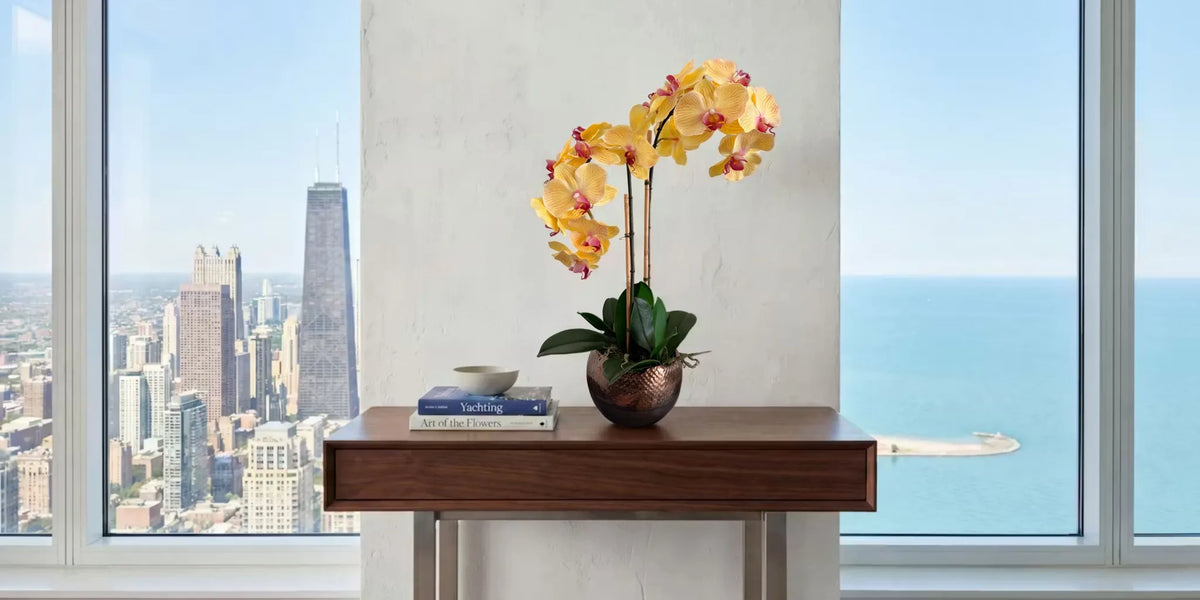
A room can have beautiful stone, tailored furniture, and carefully chosen lighting, yet still feel a little cold. If you keep adding objects without finding the warmth you want, the missing piece may not be another accessory. It may be a natural form that softens the architecture and helps the room feel complete. Eternal botanical art for interiors brings leaves, branches, florals, and sculptural shapes into a space without the care routine of living plants. The key is choosing a composition that belongs: one that suits the room’s scale, light, materials, and mood. Here’s how thoughtful botanical design can help a beautiful interior feel more personal and settled.
Key Takeaways
- Start with the room’s needs: Consider its architecture, light, scale, and atmosphere before choosing a botanical piece.
- Think beyond the foliage: Select a form, vessel, and placement that work together and feel connected to the interior.
- Choose the right level of support: Browse ready-to-place designs when you know what you need, or book a personal consultation for help shaping a complete composition.
What Is Eternal Botanical Art?
Eternal botanical art uses lifelike artificial flowers, foliage, grasses, trees, and succulents as three-dimensional elements in a room. It does more than add greenery: a considered composition responds to the architecture, scale, light, and atmosphere of its surroundings. A sculptural tree can give an open foyer a focal point, while a floral arrangement can soften a formal console. The goal is to make nature feel connected to the room, not simply placed within it.
Faux Botanicals, Living Plants, and Botanical Prints
Living plants bring natural variation, but they also need suitable light, watering, and regular care. Faux botanicals offer another way to bring organic forms into a room, including spaces where growing conditions or plant care are a concern. They can complement biophilic design, which draws on nature-inspired elements to shape interior spaces.
Botanical prints bring the lines and colors of plants to a wall; faux botanicals add texture, depth, and physical presence. The two can work together: framed artwork can create a backdrop, while a three-dimensional arrangement adds depth and contrast nearby. As Artfully Walls explains in its guide to botanical prints, botanical imagery is one way to bring nature into a home. Choose between a print and a faux arrangement by considering what the room needs: a visual accent on the wall or a sculptural element that helps shape the space.
Florals, Trees, Grasses, and Succulents
Eternal botanical art comes in many forms, each with its own presence. Florals add color and softness to a console, dining table, or bedroom. Trees bring height and a defined silhouette to open corners and generous entryways. Grasses offer a lighter, more relaxed texture, while succulents suit shelves, desks, and smaller surfaces.
Start with the role you want the piece to play. Does the room need a focal point, a softer edge, or a quiet natural detail? Then consider its scale and placement: a tall arrangement can anchor a room, while a compact piece can add interest without crowding a surface. Browse floral arrangements for expressive color and form, or explore botanical trees when the room calls for height and presence.
How Materials and Form Create Realism
Realism depends on more than a convincing color. Leaf shape, branching, subtle shifts in tone, and the way stems sit together all influence how natural a piece appears. Materials matter, too: different fabrics and finishes affect color, texture, and detail, as this guide to artificial plant materials explains.
Look for variation in height and direction rather than repeated shapes arranged in a rigid pattern. A thoughtful silhouette feels organic from several viewpoints, while considered details help the piece sit comfortably within the room. The vessel is part of the composition as well. Its shape, finish, and scale should relate to both the botanicals and the surrounding architecture. When these elements work together, the arrangement feels intentional, like part of the interior rather than an accessory added afterward.
Why Choose Eternal Botanical Art?
Bring Nature to Low-Light Rooms and Busy Homes
Some rooms have beautiful proportions and finishes yet still feel cool or unfinished. Botanical art brings organic shapes, color, and softness into the composition, including in corners where living plants may not receive enough light. It can also suit busy households and spaces where regular plant care is impractical, so you can enjoy the presence of greenery without planning around growing conditions.
Start by noticing where the room could use more visual warmth: a shadowed corner, a long hallway, or a space that feels too spare beside a large windowless wall. A carefully scaled tree or arrangement can give that area presence and help connect it to the rest of the interior. For ideas on incorporating greenery in low-light spaces, read CG Hunter’s guide to faux plants and biophilic design. Jardin Du Monde’s trees offer a sculptural way to introduce height and natural form.
Enjoy Greenery Without Watering, Replacing, or Pests
Living plants bring their own pleasures, but they need suitable light, regular watering, and ongoing attention. Fresh flowers also need replacing, while living greenery can be affected by overwatering, underwatering, or plant pests. Eternal botanical art offers a lasting alternative when you want a room to feel connected to nature without adding another care routine.
That convenience can matter in a busy home, as well as in hotels, offices, and other spaces where a consistent appearance is important. Place a permanent arrangement in a foyer or guest room, and its form remains in place without watering or seasonal replacement. The lasting value comes from choosing a piece that suits the room, rather than simply adding greenery for its own sake. For a softer focal point, explore Jardin Du Monde’s floral arrangements.
Add Organic Contrast to Refined Interiors
A room with considered stone, wood, metal, and upholstery can still feel overly precise. Botanical forms add irregular lines and subtle variation, creating contrast with tailored furniture and clean architectural edges. This natural counterpoint can make a polished interior feel warmer and more personal while preserving the finishes and furnishings you already love.
Choose a piece that relates to the room’s palette and proportions. A branching silhouette can soften a strong vertical wall, while a low arrangement can bring a natural note to a console or dining table. Botanical design can feel restrained and sculptural or lush and expressive, depending on the atmosphere you want to create. TLC Interiors’ botanical design ideas show how greenery can complement different styles and bring organic character into a home.
Choose Thoughtful Compositions Over Generic Plants
A botanical piece feels convincing when its form, scale, and vessel work together. A plant chosen in isolation can look like an afterthought; a considered composition can relate to the architecture, echo the room’s materials, and guide the eye through the space. Look at the silhouette, the detail in leaves and petals, the color variation, and how the arrangement sits in its vessel.
The aim is not simply to fill a corner. It is to create a relationship between nature and the room, so the piece feels intentional from across the space and rewarding up close. Carefully selected materials and construction help create that impression, as Rossetti Art’s overview of botanical art materials and techniques explains. For guidance on choosing a composition for your interior, Jardin Du Monde offers a personal consultation.
How Do You Choose Faux Botanical Art?
Choosing faux botanical art begins with the room, not the arrangement. A piece should respond to the architecture, light, materials, and atmosphere, so it feels like part of the space rather than an object added at the end. Consider what the room needs: a little softness beside a strong architectural line, height in an open corner, or an organic focal point that makes a formal interior feel more personal.
Then look at how form, color, texture, scale, and vessel can work together. The goal is not to match every finish or fill every gap. It is to create a considered relationship between the botanical composition and the room around it. A carefully chosen tree or floral arrangement can bring depth and warmth while leaving enough space for the architecture and furnishings to remain visible.
If you already know where the piece will go and what you want it to do, a ready-to-place design may be the right choice. If the room still feels unfinished and you cannot quite pinpoint why, a personal consultation can help translate that feeling into a thoughtful botanical direction.
Consider Architecture, Atmosphere, and Light
Start by noticing the room’s proportions, architectural lines, ceiling height, and natural pathways. A tall, open foyer may call for a sculptural tree that draws the eye upward, while an intimate sitting room may feel better suited to a lower, more contained arrangement. Think, too, about the atmosphere you want: relaxed, composed, dramatic, or quietly inviting.
Light shapes how a botanical piece appears throughout the day. Consider how daylight and lamps will reveal its leaves, branches, and petals, and whether the location suits a living plant’s care needs. Faux botanicals can bring nature-inspired form to places where live greenery may be impractical. Biophilic design offers further ideas for incorporating natural shapes into interiors. Let the architecture guide the placement, then choose a composition that gives the room the feeling it is missing.
Match Form, Color, and Texture to Your Palette
Look beyond the room’s dominant color. Notice the undertones in the wood, stone, upholstery, metal finishes, and artwork. A botanical composition can echo one of these details or introduce a restrained contrast. Either approach can feel natural when the colors relate to the wider palette.
Consider form as carefully as color. Airy grasses can soften crisp lines; broad leaves may lend a grounded quality; branches can add height and movement without making a room feel busy. Texture brings another layer of character, especially when leaves, petals, and stems have varied shapes and finishes. Choose a piece that feels considered beside the room’s materials, rather than one that simply repeats them. For inspiration on combining botanical elements with different materials and moods, explore these botanical interior design ideas.
Check Scale, Silhouette, and Sightlines
A botanical piece needs enough presence for its setting, but it should not overwhelm the furniture or interrupt the way people use the room. Before choosing, consider the height and width of nearby pieces. A substantial arrangement beside a fireplace can hold its own, while a smaller accent on a side table should leave space for books, lighting, or a drink.
Check the silhouette from the viewpoints that matter: the entry, the main seating area, and any adjoining room. In an open-plan interior, a tree may be seen from several angles, so its shape should feel balanced throughout the space. Make sure it does not obscure artwork, crowd a window, or narrow a walkway. Wall-mounted botanicals also need room to breathe. These plant wall decor ideas show how different formats can complement a wall and its surrounding sightlines.
Choose a Complementary Vessel
A vessel helps define the character of a botanical composition. Its shape, height, material, and finish can make an arrangement feel more sculptural, relaxed, or formal. Begin with proportion: a narrow vessel can emphasize a tall, vertical form, while a wider base may give a branching or spreading arrangement a grounded presence.
Next, consider how the vessel relates to the room. It might pick up the warmth of a wood finish, the tone of a stone surface, or the patina of a metal detail. The connection does not need to be exact. A quiet relationship between materials often feels more natural than a perfectly matched set.
Think about placement, too. The vessel should suit the surface or floor where it will sit, feel stable, and leave comfortable room for movement. When the vessel and botanical are selected as one composition, the piece feels intentional from every angle.
Choose a Ready-to-Place Piece or Personal Consultation
A ready-to-place design can be a good fit when you know the location, approximate scale, and mood you want. Explore Jardin Du Monde’s floral arrangements for a console, dining table, or sideboard, or consider a botanical tree when a room calls for height and a stronger architectural silhouette.
If you are uncertain what the space needs, a personal consultation can help bring the decision into focus. Share details about the architecture, finishes, light, and the atmosphere you hope to create. A specialist can consider how botanical form, scale, and vessel work together, then guide you toward a composition that belongs in the room.
Jardin Du Monde offers personal consultations for clients who want considered guidance. It can be especially helpful when a room is beautifully furnished yet still feels incomplete, or when you want the botanical art to relate to the whole interior rather than read as a standalone accent.
How Does Eternal Botanical Art Fit Different Design Styles?
Faux botanical art can complement almost any design style when its shape, scale, color, and vessel feel connected to the room. Instead of choosing a piece because it matches a label like “modern” or “traditional,” start with the architecture and atmosphere. Notice the room’s lines, materials, light, and existing focal points. Then consider what might bring the composition together: a sculptural silhouette, a softer counterpoint to stone and metal, or a touch of color among layered furnishings.
The same botanical can read differently in different settings. A tall tree may echo the vertical lines of a contemporary foyer, while a generous floral arrangement can add movement to a traditional dining room. The vessel also shapes the overall effect, whether it blends quietly with the palette or introduces a contrasting material. Jardin Du Monde’s trees and florals offer distinct forms to consider as you shape the room. Use the style ideas below as starting points, then choose a composition that feels considered and personal.
Modern and Minimalist: Choose Sculptural Forms and Restrained Palettes
In modern and minimalist rooms, every piece has space to make an impression. Choose faux botanical art with a distinct silhouette, graceful branching, or a considered shift in height. One well-scaled tree or arrangement can bring focus to a room without crowding its clean lines.
Keep the palette close to the furnishings and finishes, or introduce a subtle contrast to add warmth. Look at how the botanical’s shape relates to windows, furniture, and architectural details. A simple vessel can maintain a pared-back feel; a tactile surface can soften the composition. In a softer minimalist interior, a macramé plant hanger offers another way to bring in texture. The aim is to make the botanical feel integral to the room, not like an extra placed there for decoration.
Contemporary and Biophilic: Pair Organic Shapes With Natural Contrast
Contemporary interiors often combine strong geometry with polished finishes and open space. Botanical forms bring a softer rhythm to that structure. A branching arrangement can sit against stone, while a leafy silhouette can offset glass and metal. The contrast helps the room feel layered while keeping its modern character.
Biophilic design looks for ways to connect interior spaces with nature. Faux botanical art can contribute through organic shapes, nuanced greens, and the sense of growth created by a thoughtfully composed piece. Botanical prints can echo that connection on the walls, while three-dimensional botanicals bring depth into the room. For a cohesive effect, repeat a natural tone or shape in a nearby textile, artwork, or wood finish. If living plants are difficult to maintain in a particular space, faux plants can offer an alternative.
Rustic and Traditional: Add Textured Greenery and Collected Character
Rustic and traditional rooms often feature craftsmanship, layered materials, and objects that feel collected over time. Choose botanicals with varied leaves, branches, or petals to complement those details. A fuller arrangement can sit naturally beside carved wood, patterned upholstery, and art with a story.
Consider how the botanical will relate to the objects around it. A graceful branch can draw the eye upward above a console, while a generous floral arrangement can bring softness to a dining room. The vessel matters, too: its finish, shape, and visual weight should feel at ease with the furniture and nearby pieces. Botanical interiors can take many directions, as TLC Interiors’ ideas illustrate. Rather than matching every color or material, choose a composition that feels at home among the room’s existing character.
Bohemian and Vintage: Choose Expressive Florals and Layered Detail
Bohemian and vintage interiors make room for expressive color, varied textures, and personal collections. Florals can connect these elements, especially when their tones pick up a color from a rug, artwork, or favorite fabric. Look for an arrangement with movement and variation so it feels composed, not overly uniform.
Layer botanicals with books, ceramics, and framed art, while giving each piece enough space to stand out. Vary the heights across a console or shelf, and let the vessel contribute its own character. A relaxed silhouette can feel especially natural among vintage furniture and collected objects. As TLC Interiors points out, botanical design can be interpreted in many ways. Let the arrangement reflect the room’s personality rather than coordinating every detail. The right piece can make a collection feel more connected and give the room a stronger sense of identity.
Related products


Scandinavian and Industrial: Contrast Botanical Forms With Clean Lines
Scandinavian interiors often pair simple forms with light woods and a restrained palette. Industrial rooms may feature exposed structure, concrete, metal, and deeper tones. In both styles, botanical art introduces organic lines that balance clean geometry and substantial materials.
For a Scandinavian room, muted greens and a light-toned vessel can preserve an airy feel. In an industrial space, a larger silhouette or a vessel with more visual weight can hold its place against concrete and metal. Consider the available light when choosing a location. A darker corner may be difficult for living plants, but permanent botanical art can still add a nature-inspired presence. Preserved moss walls are another option for areas where living vegetation may struggle. To find the right form, scale, and vessel for your space, you can arrange a personal consultation with Jardin Du Monde.
Where Can You Use Faux Botanical Art at Home?
Faux botanical art can bring warmth and a sense of connection to nature to nearly any room. The most successful placement responds to the space rather than filling a spare corner. A tall tree can draw the eye upward in a foyer; a low floral arrangement can soften a dining table without interrupting conversation. Scale, silhouette, vessel, and position all affect how a botanical piece relates to the architecture around it.
Before choosing a piece, consider how you want the room to feel and what might help it get there. Does the entry need a more welcoming first impression? Would the living room feel more grounded with an organic form beside the seating? A considered composition can bring cohesion to furnishings and finishes, and add a natural counterpoint to clean lines or stone surfaces. This connection between interiors and nature is central to biophilic design. Use the room’s light, proportions, and daily routines to guide your choices.
Entryways and Foyers: Make a Memorable First Impression
The entry sets the tone for the rest of the home. A well-scaled botanical arrangement can make it feel welcoming and composed from the moment someone walks in. In a generous foyer, consider a sculptural tree in a vessel that complements the architecture. For a console or narrower entry, a floral arrangement can add color and movement without crowding the walkway.
Notice the view from the front door before settling on a location. The piece should suit the room’s proportions and leave a clear path through the space. Botanical details can also strengthen the sense of connection to nature, a principle explored in biophilic design. In a foyer, that natural reference can help a polished first impression feel personal and inviting.
Living Rooms: Soften Architecture and Anchor Seating
Living rooms bring together substantial furniture, lighting, and architectural details. A botanical piece can soften these lines and help the seating area feel grounded. Place a floor arrangement beside a sofa, near a fireplace, or in a corner that needs more presence. A sculptural tree adds height, while a floral composition can introduce color and a more expressive silhouette.
Look at the room from several angles before choosing a placement. The botanical form should relate to nearby furniture while preserving clear sightlines. If the room has limited natural light or you prefer greenery without plant care, high-quality faux botanicals offer a lasting option. CG Hunter’s guide to faux plants and biophilic design discusses how faux greenery can bring nature-inspired forms into interiors. Aim for a composition that feels connected to the room, not simply placed within it.
Dining Rooms and Kitchens: Style a Table, Island, or Sideboard
Botanicals can give dining and kitchen spaces a polished focal point while keeping the mood relaxed. On a dining table, choose an arrangement low enough to preserve conversation across the table. For a kitchen island or sideboard, a taller silhouette can add presence, as long as it does not interfere with everyday use. Consider how the piece will look during a quiet morning as well as when the table is set for guests.
A vessel can help connect the arrangement to cabinetry, stone, or tableware. For everyday meals and special gatherings, enduring floral arrangements offer a lasting way to bring botanical detail into the room. Jardin Du Monde’s floral collection includes pieces for a range of settings, from a tabletop accent to a more substantial display.
Bedrooms and Bathrooms: Add Nature-Inspired Detail
In a bedroom, botanical art can bring a softer note to the room. A small arrangement on a dresser or bedside table adds detail without competing with the bed. In a larger bedroom, a floor piece can create a graceful transition between furniture and architecture. Choose colors and forms that complement the textiles and finishes, keeping the overall composition restful.
Bathrooms can benefit from botanical detail, particularly when light or daily routines make living plants impractical. A compact arrangement can suit a vanity or shelf, while a taller piece may work in a spacious bathroom with room around it. Botanical forms can adapt to many interiors, as TLC Interiors’ design ideas show. In either room, consider available surfaces, light, and atmosphere before choosing a size or style.
Offices and Hallways: Bring Presence to Transitional Areas
Home offices and hallways deserve the same design attention as the rooms where you spend more time. In an office, a botanical arrangement can soften a desk area or add character to a bookcase. A tree can give an unused corner a clearer purpose. Keep the piece away from work surfaces and circulation paths so it feels considered as well as practical.
Hallways are often defined by long sightlines and a sequence of doors or artwork. A carefully placed botanical can break up that rhythm and create a moment of visual interest. Choose a silhouette that suits the passage’s width, and make sure the vessel leaves plenty of room to walk through. For help considering how a piece relates to the architecture and atmosphere of your home, Jardin Du Monde offers a personal consultation.
How Do You Display Faux Botanical Art With Intention?
A botanical piece can do more than decorate a surface. It can draw the eye through a room, soften a strong architectural line, or bring a welcoming sense of warmth to a space that feels a little too formal. Before choosing a piece, pause and consider what the room needs. Is there a corner that lacks presence? A long sightline that could use a focal point? A carefully styled console that still feels incomplete?
Then consider how the botanical will relate to the architecture, furniture, artwork, and light. Scale, silhouette, color, and vessel all shape the effect. A tall tree might help connect a high ceiling to the furnishings below; a compact floral arrangement can give a console a more personal note. Explore Jardin Du Monde’s tree collection for sculptural forms suited to spaces that call for height and presence.
The aim is not to fill every open surface. Give each arrangement room to register, and let it work with the pieces already in the room. A considered placement can make the whole composition feel more settled. These approaches can help you decide where a botanical belongs and how it can contribute to the atmosphere of your home.
Shape a Room With a Statement Tree or Floor Arrangement
A statement tree or floor arrangement can establish a focal point and bring the eye upward. Consider one in a foyer, beside a high ceiling, or near a seating area that needs a stronger connection to nature. Before choosing a size, check the walking path and the views into and across the room. The piece should feel present without interrupting movement or obscuring architectural features.
Look at the silhouette as closely as the height. Open, branching forms can bring softness to crisp lines; fuller shapes can hold their own in a broad room. A well-scaled tree may be all the room needs in that area, so keep nearby accents simple. Browse the tree collection for forms that bring structure and natural character. Once it is in place, view it from the doorway and seating to see how it sits within the full room.
Layer Smaller Pieces on Shelves, Consoles, and Tables
Smaller botanicals can bring a thoughtful finish to surfaces without adding clutter. On a console, pair a compact arrangement with a lamp or a few books, leaving open space around each item. On shelves, vary the heights of objects to create an easy rhythm. A trailing form can soften a shelf edge, while a low arrangement can add texture to a coffee table without getting in the way.
Choose a vessel that relates to the room’s materials and character, then edit the surrounding objects until the grouping feels cohesive. A shared color, texture, or shape can tie a display together. For ideas on combining greenery with collected pieces, explore these botanical decor ideas. Adapt the approach to your own home with a few pieces that feel personal, rather than filling every available surface.
Pair Framed Botanical Art With Three-Dimensional Botanicals
Framed botanical art and three-dimensional arrangements offer different ways to bring nature into a room. A print above a console can create a focal point, while a botanical placed below adds texture and form. You might also pair a floral artwork with lifelike stems on a nearby side table, allowing the image and arrangement to speak to one another across the room.
Look for a point of connection, such as a shared color, leaf shape, or sense of movement. The pieces do not need to match. A restrained print can balance a more expressive arrangement, while detailed artwork may pair well with a simpler botanical. Explore how botanical prints can complement nature-inspired interiors, then consider how a three-dimensional piece might echo the artwork without repeating it. Leave enough room around both for their forms to remain distinct.
Balance Height, Negative Space, and Visual Weight
A composed display has variation as well as breathing room. Try placing a taller form beside a lower object, or setting a compact arrangement on a broad console. Changing heights creates rhythm, but too many competing shapes can make a surface feel busy. Arrange the pieces, step back, and remove anything that distracts from the overall composition.
Consider visual weight, too. A dense arrangement may need a substantial vessel or a grounded position, while a delicate form can sit comfortably on a slim table. Leave some wall, tabletop, or floor visible around the botanical so its outline remains clear. The principle is simple: botanical art should complement the furnishings and architecture rather than compete with them. Afloral’s styling guidance offers a helpful reminder to consider how greenery relates to the decor around it.
How Do You Care for Faux Botanical Art?
Faux botanical art asks for little day-to-day care, but gentle handling helps preserve its color, shape, and lifelike detail. Dust it periodically, keep it away from prolonged heat and direct sun, and follow any care instructions provided with the piece. These simple habits help your arrangement remain a considered part of the room.
Dust Leaves and Petals Gently
Dust can settle on leaves and petals, dulling the detail that gives an arrangement its natural character. Use a clean, dry microfiber cloth or soft brush, and support each stem as you work. Sweep lightly from the base of the leaf toward its tip. For intricate compositions, a soft brush can reach between petals without pulling or bending them.
Dusting regularly helps faux botanicals maintain a fresh appearance, as CG Hunter explains. Avoid soaking the arrangement or applying household cleaners unless the care instructions specifically recommend them. Materials and finishes vary, so a gentle approach is the safest place to start. If you are unsure how to clean a particular piece, check with the designer or supplier before using a new product.
Protect Materials From Excessive Sunlight and Heat
Place faux botanicals where they can complement the room without sitting in harsh, direct sunlight for extended periods. Strong sun and excessive heat may affect some materials, causing colors or finishes to change over time. Be mindful of spots near sunny windows, fireplaces, radiators, and glass doors.
A bright room can still be a lovely setting. Try placing the arrangement in indirect light, or position it farther from the window and away from heat sources. When choosing a location, notice how sunlight moves through the space during the day. Afloral advises keeping artificial plants away from direct sunlight and excessive heat to help preserve their appearance. For a larger tree or floor arrangement, this small placement decision can help protect its finish while keeping the composition connected to the room.
Reshape and Store Pieces Carefully
Stems and branches may shift during delivery or handling. Before displaying your arrangement, adjust them gently by hand to restore a balanced, natural silhouette. Make small changes, then view the piece from the main sightlines in the room. Avoid forcing a stem into position, as this may damage delicate materials or change the intended composition.
If you need to store the piece, choose a clean, dry location where it will not be compressed by other objects. Wrap delicate flowers or leaves loosely in tissue, and avoid folding stems or placing weight on the arrangement. When you bring it out again, allow the materials to settle, then reshape them with care. Architectural Digest recommends carefully reshaping and storing delicate faux flowers to help preserve their form.
How Can Botanical Art Complete a Room?
A room can have beautiful finishes, considered furniture, and thoughtful lighting, yet still feel cool or unfinished. Often, the missing element is not another decorative object. It is a natural shape that softens a hard line, brings depth to a quiet corner, or gives the eye a place to rest. Botanical art can do this when it responds to the room rather than simply filling space.
Start by noticing how the room feels and where your attention goes. Perhaps a tall ceiling needs a vertical form, or a seating area feels disconnected from the rest of the interior. A carefully placed tree, branch, or floral arrangement can help define the space and make its composition feel more complete. The aim is not to add greenery everywhere, but to choose a piece that belongs.
This idea connects with biophilic design, which brings natural forms and references into interior spaces. Artfully Walls explores how botanical imagery can support that connection. Three-dimensional botanical art adds another layer through shape, texture, and scale. When the form, vessel, and placement suit the architecture, the result feels considered, personal, and part of the room’s design.
Identify What the Space Needs Before Adding Objects
Before choosing a botanical piece, take a moment to name what feels unresolved. Does the room feel too formal? Is one corner visually disconnected, or does a long wall need a focal point? You do not need to know design terminology. Paying attention to the feeling you want to change is a useful place to begin.
Then consider what kind of form could help. A tall tree might give an entry a sense of arrival, while a low floral arrangement can bring softness to a console without competing with nearby artwork. In a room with limited natural light, permanent botanicals offer a lasting way to introduce organic shape. Each choice should answer something specific about the space, rather than follow a decorating rule.
Connect Architecture, Scale, Vessel, and Botanical Form
A botanical composition feels at home when its elements relate to the room. Look at ceiling height, doorways, furniture, and sightlines before deciding on scale. A tall, slender tree can complement a high window; a smaller arrangement may feel more balanced on a shallow console. Leave enough room around the piece so its shape can be appreciated.
The vessel also contributes to the composition. Its material, finish, and proportions can echo details in the room, from stone and wood to metal and textiles. Consider how the botanical form moves against those surfaces. CG Hunter notes that faux plants can add scale and form to underused corners. For a considered starting point, browse Jardin Du Monde’s tree collection and think about the complete arrangement, not only the foliage.
Create a Warm, Rooted, Personal Atmosphere
Botanical art can soften a polished interior while preserving its character. A leafy form may bring a gentler note to a room with crisp stone and clean lines; expressive florals can add color and presence to a more restrained palette. Rather than matching every finish, look for a relationship between the botanical piece, the materials already in the room, and the atmosphere you want to create.
Personal associations can guide that choice, too. You might be drawn to a form that recalls a landscape you love, or simply want your home to feel more welcoming at the end of the day. These details give a room a point of view and help it feel connected to the people who live there. TLC Interiors shares ideas for creating a warm, personal atmosphere with botanical design. If you would like expert guidance with scale, form, and placement, Jardin Du Monde offers a personal consultation.
Frequently Asked Questions
What is the difference between faux botanical art and an artificial plant?
An artificial plant is often chosen as a standalone item, while faux botanical art is considered as part of a room’s overall design. Its shape, scale, vessel, and placement are selected to complement the architecture and atmosphere.
How can I choose the right size for a faux botanical arrangement?
Consider the room’s proportions, nearby furniture, and main sightlines. A taller piece can suit an open foyer or high-ceilinged room, while a compact arrangement may work better on a console or table. Leave enough space around it so the form feels balanced.
Can faux botanical art work in a formal or minimalist interior?
Yes. A sculptural silhouette or restrained palette can bring organic contrast to clean lines and refined finishes without making the room feel crowded. Choose a composition that relates to the interior’s materials and proportions.
How do I care for faux botanical arrangements?
Dust leaves and petals gently with a soft brush or dry microfiber cloth. Keep the piece away from prolonged direct sunlight and excessive heat, and check its care instructions before using any cleaning products.
When should I book a personal consultation?
A consultation can help when you know a room feels unfinished but are unsure what would bring it together. Jardin Du Monde can help you consider the architecture, atmosphere, scale, botanical form, and vessel as one composition.


