

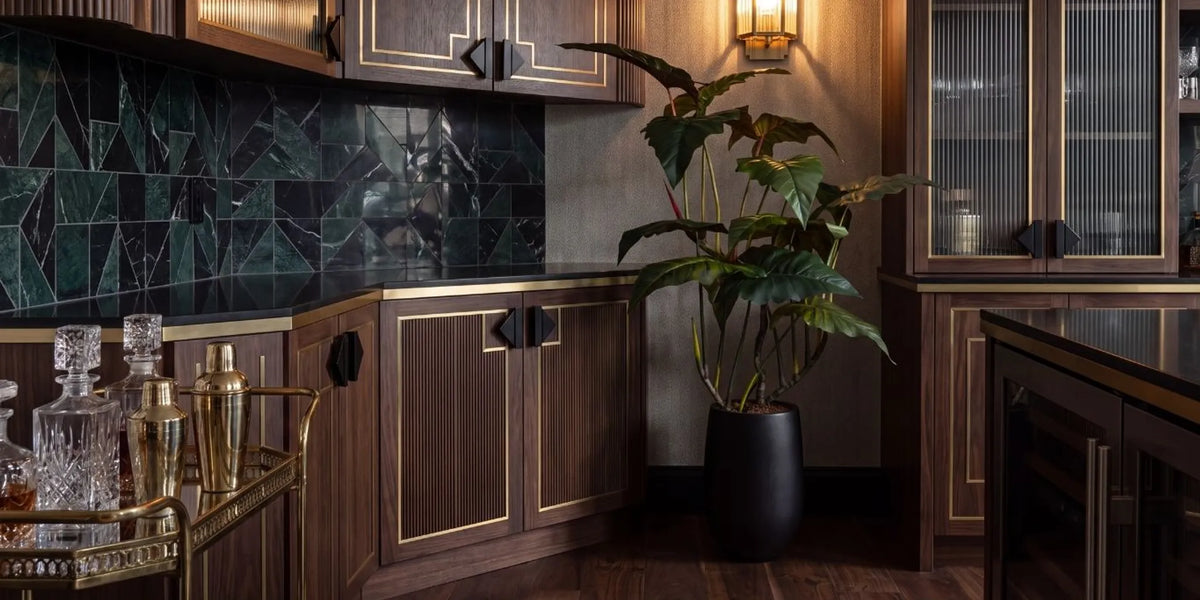
A tree can change the feel of a room without changing a single piece of furniture. It can soften an empty corner, add structure beside a window, or give a hotel lobby a more welcoming first impression. The challenge is finding an artificial tree that looks intentional rather than overly uniform. When comparing the best luxury artificial trees for home decor, look beyond height and price. Foliage, branch shape, trunk finish, planter, and craftsmanship all play a part in how natural the finished piece appears. We’ll walk through what to check, how to choose a style for your interior, and how to place it so it feels at home.
Key Takeaways
- Look beyond the leaves: Realistic foliage, varied branch shapes, a natural-looking trunk, and careful construction all contribute to a convincing tree.
- Check the fit before choosing a style: Measure the tree’s height, canopy, and planter, then consider lighting, furniture, and clear walkways.
- Compare the complete offering: Review photos, materials, care guidance, planter details, delivery, and return terms; book a Jardin Du Monde consultation for help selecting a tree.
What Makes Luxury Artificial Trees Look Real?
A luxury artificial tree should look convincing from across the room and hold up to a closer look. That realism comes from several details working together: foliage with natural variation, branches arranged in a believable pattern, and a trunk that suits the tree’s form. Materials matter, but thoughtful shaping and careful construction matter just as much. A tree made with realistic leaves can still look artificial if its canopy is too uniform or its branches repeat the same shape.
Consider how the tree will look in your space, too. Its height, canopy width, planter, and position all affect the impression it makes. A full tree may feel crowded in a narrow corner, while a slender one can get lost beside substantial furniture. Compare the product dimensions with your room, and look at the tree from more than one angle in the photos. If you want help weighing scale, style, and finish, Jardin Du Monde offers a personal consultation for residential and commercial interiors.
Look for lifelike foliage, varied colors, and shaped branches
Live foliage has small variations in color, size, and direction. Look for artificial leaves with subtle shifts in tone, visible veins, and edges that suit the species. Branches should extend at different angles, creating a canopy with depth rather than a repeated, perfectly even outline.
Product photos can help you judge these details. Zoom in on close-ups, and check whether the foliage looks natural from several sides. Some trees also need gentle shaping after unpacking, so flexible branches can be useful. As FauxNatural’s guide to artificial trees notes, realistic materials and carefully shaped foliage both contribute to a lifelike appearance. Pay attention to the overall silhouette, too: the leaves and branches should make sense together for the type of tree.
Compare PE and PVC foliage for texture and detail
PE and PVC are common materials in artificial foliage, particularly in artificial evergreens. PE tips are typically molded into more defined shapes, while PVC can create a flatter, softer texture. Some trees combine the two materials to balance detail and fullness. The best choice depends on the look you want, and material alone does not determine how realistic a tree will appear.
When a product listing names these materials, check whether it explains how they are used. Look closely at the tips, their colors, and how they sit along each branch. Material comparisons are especially useful for evergreen trees; for leafy botanical styles, focus on details such as leaf shape, veining, and natural variation. King of Christmas explains PE and PVC tree tips, which can help you interpret product descriptions.
Check the trunk, branches, stability, and craftsmanship
The trunk can make a noticeable difference, especially when it remains visible beneath the canopy. Look for a color and finish that suit the species, and check whether the branches attach in a natural-looking pattern. Close-up images may reveal exposed wires, visible seams, or repeated leaf clusters. A Wirecutter review of artificial trees points to details such as varied branch colors and a brown trunk as features that can strengthen the impression of realism.
Also consider how the tree will stand once it is in place. Check the base and assembly guidance, particularly if you are choosing a tall tree for a busy home, hotel, or office. If the tree will sit inside a decorative planter, make sure the base fits securely and the arrangement feels stable. Customer photos can offer a useful view of how branches look after shaping.
Choose a planter that complements your tree and interior
A planter helps a tree feel integrated into the room, and its proportions can change the way the whole arrangement reads. A small pot beneath a tall tree may look out of balance, while a wide vessel can overwhelm a compact space. Compare the planter’s dimensions with the tree’s height and canopy width, and consider how much of the base will be visible.
Think about material and finish as well as size. A restrained planter can keep attention on a sculptural tree, while a textured or colorful vessel can add interest to a simpler interior. Check whether the planter is included or sold separately before ordering. In her guide to faux trees, Chris Loves Julia also recommends considering planter size alongside tree height to help achieve balanced proportions.
Pick a maker known for botanical realism and distinctive design
A maker’s design approach is worth considering alongside materials and construction. Look for clear product photography, accurate dimensions, and descriptions that explain the tree’s form and finish. Photos from multiple angles can help you assess the silhouette, while close-ups reveal details that a styled room shot may not show.
If you want a tree that feels like part of the interior design rather than a finishing touch chosen at random, consider its shape and character in relation to the room. Jardin Du Monde combines botanical detail with sculptural forms across its collection of artificial trees. When comparing premium options, review dimensions and close-ups, and ask about styling or care if that information is not clear. For another point of reference, Architectural Digest’s artificial tree coverage discusses realism and finish, though its recommendations focus mainly on holiday evergreens.
Which Luxury Artificial Tree Styles Suit Your Décor?
The right tree should feel connected to the room, not simply fill an empty corner. Start with the mood you want to create, then consider the tree’s silhouette, foliage, and scale. A fine, airy canopy can soften a space, while broad leaves or expressive branches can make a more confident statement.
Explore Jardin Du Monde’s sculptural, globally inspired trees
Jardin Du Monde brings botanical detail and sculptural form together, so a tree can serve as both greenery and a design feature. Browse the tree collection to find a shape that suits your space, whether you’re adding height to an entryway, softening a living room, or creating a focal point in a hotel lobby or executive office.
As you compare trees, look beyond the species name. Branch spread, canopy density, trunk shape, and foliage color all affect how a piece feels in a room. An open silhouette can look light and understated, while a fuller canopy brings more visual presence. For help weighing options against your room’s dimensions and style, Jardin Du Monde offers a personal consultation.
Choose an olive tree for Mediterranean, rustic, or contemporary rooms
Olive trees suit a range of interiors, thanks to their slender leaves and irregular branching. In a Mediterranean-inspired room, pair one with stone, warm wood, and woven textures. In a rustic space, silvery foliage offers a gentle contrast to heavier materials. In contemporary interiors, the branching form adds movement without relying on dense greenery.
Think about the canopy’s width before choosing a location. A large olive tree can command attention and occupy more space than you expect, while a narrower design may fit beside a console or in a smaller corner. This independent review of faux olive trees describes how a full-sized option can dominate a room, so measure the available floor area and check nearby clearances before you decide.
Try a fiddle-leaf fig or rubber tree for bold foliage
For a more pronounced focal point, consider a fiddle-leaf fig or rubber tree. Their broad leaves are easy to notice from across a room, making them a natural fit beside a sofa, fireplace, or tall window. A fiddle-leaf fig typically has an upright, branching shape that works well in modern and transitional interiors. A rubber tree’s fuller foliage can give a space a more substantial, grounded feel.
Let the rest of the room guide your choice. In a space with patterned fabrics or busy artwork, a cleaner silhouette can keep the overall look balanced. In a pared-back interior, larger leaves add texture and contrast. Check the canopy width against nearby furniture, too. The tree should have enough room to read as a feature without crowding a walkway or interrupting a clear sightline.
Consider palms, bamboo, or Japanese maple for expressive shapes
Palms bring a sweeping outline and arching fronds that suit rooms where you want height and movement. Bamboo tends to feel more vertical and open, making it useful when you want greenery without a dense canopy. A Japanese maple has a delicate, branching profile that can add an artistic touch to a quiet, carefully arranged interior.
Consider how each silhouette will sit against the walls and furniture. A palm can make a strong statement in a spacious corner, while bamboo may work in a narrower footprint. A Japanese maple can draw the eye when its branches have room to show. If you’re considering an outdoor placement, check the specific product description for UV resistance and weather suitability. Not every artificial tree is designed to withstand outdoor conditions, so confirm its intended use before buying.
Match foliage and shape to minimalist, coastal, or eclectic interiors
For a minimalist room, look for a defined silhouette and foliage that won’t compete with clean-lined furniture. An open canopy can introduce natural texture while keeping the overall look simple. In a coastal interior, an airy palm or olive tree pairs naturally with light woods, linen, and pale finishes. For an eclectic room, a distinctive form can sit comfortably among layered colors, patterns, and collected objects.
Use the tree’s shape to bring balance to the composition. Dense, rounded foliage can soften angular furniture, while upright branches add structure beside low seating. Consider the view from the doorway as well as the tree’s position up close. A carefully placed design might frame a window, balance a bookcase, or create a focal point while leaving the room’s circulation clear.
How Do You Choose the Right Tree Size and Placement?
Measure ceiling height, floor space, and furniture clearance
Start with a tape measure, then consider how the tree will relate to the room. Measure from floor to ceiling and leave space above the tree so it doesn’t feel cramped. Include the planter in your calculations, since its height affects the overall scale. Measure the floor area as well, leaving clear paths around doors, chairs, and other frequently used spaces.
Think about the room’s purpose as you choose a spot. A living room tree should not interrupt the route between seating and entrances. In a hotel lobby or executive office, leave room for guests, staff, and everyday tasks. Recommendations for choosing artificial tree heights for different-sized rooms offer a useful reference, even when you’re choosing a year-round decorative tree.
Place tall, narrow trees in corners and fuller trees as focal points
A tall, slender tree can add height to an unused corner without claiming much floor space. Try placing one beside a console or reading chair, or where it can soften a sharp architectural line. Keep it clear of doors and windows, and check that its branches won’t crowd nearby furniture.
A fuller tree needs more room to show its shape. Place it where the canopy can be seen from several angles, such as beside a staircase or in a spacious living area. Avoid pressing the foliage against a wall, which can make the tree look compressed. Browse Jardin Du Monde’s sculptural artificial trees to compare silhouettes and consider which one will suit your room’s proportions.
Compare tree height, canopy width, planter size, and sightlines
Height is only one part of the fit. Check the tree’s canopy width and planter dimensions, then mark those measurements on the floor with painter’s tape. This gives you a clear sense of how much space the tree will occupy and whether its branches may extend over a sofa, console, or walkway.
Consider how the tree looks from the room’s main entrances and seating areas. In open-plan spaces, it may be visible from several directions, so choose a shape that looks balanced from different angles. Product photos can help you assess the silhouette, but use listed dimensions to judge scale. Good Housekeeping’s guide to artificial trees also recommends comparing proportions and fullness, a useful step when selecting decorative trees for the home.
Consider lighting, room use, and nearby furniture
Light affects how foliage appears. Near a bright window, leaf color and surface details may be more noticeable. In a dim corner, a dense canopy can feel visually heavy, so consider a more open silhouette or add a nearby lamp. Look at the proposed spot at different times of day, and check that the tree won’t block a window or compete with a key artwork.
The room’s daily use matters just as much. Keep branches away from seating, doors, and walkways in a living room. In an office, avoid interfering with desks, equipment, or meeting areas. Hotels should account for guest circulation, luggage, and cleaning access. Artificial branches can be shaped to suit their surroundings, as Architectural Digest’s artificial tree reviews illustrate. Leave enough space to adjust the branches after placing the tree.
Choose a finish for your home, hotel, or executive office
The planter and foliage should feel connected to the room’s materials and palette. A textured container can complement wood, linen, and warm neutrals in a relaxed home. For a contemporary space, a simple planter with a clean shape may feel more at ease. In a hotel or executive office, look for a finish that works with the furniture and flooring without distracting from the overall design.
Foliage shape can help set the mood, too. An olive tree brings a sculptural, understated quality, while broad leaves can add contrast to a minimal interior. Before choosing, compare the tree’s color and form with the finishes already in the room. If you’re considering a tree for a larger space or would like guidance on scale and style, Jardin Du Monde offers a personal consultation.
Related products

Ideal for homes, offices, or patios seeking a low-maintenance touch of exotic paradise.
View productHow Much Do Luxury Artificial Trees Cost?
Luxury artificial trees can range from simple decorative pieces to large, finely detailed designs made to anchor a room. The price depends on more than height: foliage quality, branch structure, craftsmanship, planter choice, and delivery can all affect the total. Since retailers may include different features, compare the complete setup, not just the tree.
Compare entry-level, premium, and bespoke prices
There’s no standard price range for luxury artificial trees. Smaller, simpler designs generally cost less than tall trees with dense foliage, realistic details, and carefully shaped branches. Bespoke pieces may cost more because their scale, form, or finish is tailored to a particular space.
Prices for artificial Christmas trees offer one point of comparison, though they aren’t a direct guide to decorative indoor trees. King of Christmas lists King Noble models from $289 to $799, while some Royal Fir and King Fraser Fir models approach $2,900. Seasonal designs differ from year-round interior trees, so treat these figures as context rather than like-for-like pricing. For a tailored estimate, explore Jardin Du Monde’s tree collection and ask about options for your space.
See how size, materials, realism, and craftsmanship affect cost
A taller tree typically needs more foliage and a sturdier structure, which can increase its price. Canopy width matters, too: a full, broad silhouette uses more material than a narrow tree of the same height. Look closely at color variation, leaf detail, branch flexibility, and how naturally the tree holds its shape.
Materials and construction also affect the cost. Some makers emphasize hand-shaped branches and carefully selected materials, adding time and labor to production. For instance, New Growth Designs describes its trees as handcrafted in its North Carolina shop. When comparing options, review close-up photos and product specifications. Check whether the listed height includes a planter, and ask about the tree’s materials if that information isn’t provided. These details help explain why two trees of similar size may have different prices.
Check whether the price includes a planter, delivery, or styling
Before comparing prices, confirm what each one covers. A tree may come with a decorative planter, or it may arrive in a basic pot that needs a separate cover. Delivery, assembly, and placement can also cost extra, particularly for larger pieces. If the tree includes lighting, check whether the lights are part of the price and how they’re powered. As Architectural Digest’s artificial tree guide notes, pre-lit designs can save the time of adding lights yourself.
Styling support may be available as a separate service, too. Ask whether a designer can help you choose the tree’s scale, planter, and placement. Jardin Du Monde offers personal consultations to discuss botanical décor for your interior. Request an itemized quote so you can see the cost of the tree, planter, delivery, and any styling services separately.
Weigh durability and low-maintenance care against upfront cost
An artificial tree can be a practical choice for spaces where live plants are difficult to maintain. It doesn’t need watering or seasonal replacement, which can be helpful in hotels, executive offices, and rooms with limited natural light. Longevity depends on the tree’s construction and how you care for it, so ask how to clean the foliage, protect the branches, and store the piece if it won’t remain on display.
Compare the initial price with how long you expect to use the tree and what upkeep it requires. Wirecutter notes that a good artificial Christmas tree can last around a decade, while a live tree lasts one season. Decorative indoor trees vary by design and use, so check the maker’s care guidance and warranty before buying. A higher upfront cost may be worthwhile if the tree’s materials, structure, and finish suit your space for years.
Where Can You Compare Luxury Artificial Trees and Reviews?
Choosing a luxury artificial tree is easier when you compare more than its style. Look at its dimensions, materials, branch structure, and care requirements, then seek out reviews or images that give you a clearer sense of its appearance in a real room. These details can help you find a tree that suits your home, hotel, or executive office.
Browse Jardin Du Monde’s tree collection or book a personal consultation
Start with Jardin Du Monde’s tree collection to compare silhouettes, sizes, and foliage styles. Notice how each tree’s shape might work in your room: a tall, narrow form can fit neatly into a corner, while a fuller canopy can make a more prominent statement. Consider the tree’s overall profile alongside its leaves, trunk, and planter.
If you’re choosing between several styles or have questions about scale, arrange a personal consultation. Before your conversation, measure the space and note nearby furniture, doorways, and windows. Sharing these details helps you discuss options that fit the room’s proportions and the look you want to create.
Compare dimensions, materials, images, and care guidance
Product specifications can tell you whether a tree will suit your space before it arrives. Compare its height and canopy width with your measurements, and check which foliage materials it uses, how the trunk is constructed, and whether the planter is included. A tree may fit beneath the ceiling but still take up more floor space than expected, so check both dimensions.
Study the product images for details such as leaf shape, color variation, branch structure, and trunk finish. Also look for care instructions, including how to remove dust and whether the branches need arranging after unpacking. Wirecutter’s artificial Christmas tree guide offers an example of comparing product details and setup considerations. Its focus is seasonal trees, but the same habit of checking specifications can help with decorative trees, too.
Read verified retailer reviews and independent design coverage
Reviews can offer a useful view of a tree beyond its product description. Look for comments about how realistic the foliage appears in person, how easy it is to arrange, and whether the tree’s size matched expectations. Reviews that describe the room or placement are especially helpful, since you can compare that setting with your own.
Independent design coverage can provide another perspective on appearance and construction. For example, Architectural Digest’s artificial Christmas tree coverage discusses how reviewers assess trees in real homes. Seasonal tree roundups may not cover the sculptural forms used in everyday interiors, so treat them as a guide to what to look for rather than a direct comparison. Prioritize feedback that speaks to the qualities you care about, such as lifelike foliage, refined proportions, and finish.
Watch video reviews or request more images to assess texture and scale
A video can show how a tree looks from different angles and how its branches sit in a furnished room. Look for footage that includes close-ups as well as wider views, so you can assess both foliage details and overall proportions. A tree shown against a plain background may look different from one placed beside furniture or a window.
For an example of how video reviews can present trees in real settings, see Lowe’s artificial tree roundup. If you’re considering a luxury decorative tree, ask the retailer whether additional images or video are available. Request views of the leaves, trunk, and canopy from several angles. These can help you judge texture and scale before deciding where the tree will sit.
Ask about delivery, assembly, returns, and care before you buy
Before ordering, find out how the tree will be delivered and whether it requires assembly. Ask how much shaping it needs after unpacking, whether setup instructions are included, and if the planter comes with the tree. These details can help you plan for a smooth installation, especially if the piece is large or will be placed in a hotel or office.
Read the return policy carefully, including any requirements about original packaging or assembly. It’s also helpful to ask how to clean and store the tree, and what to do if it arrives damaged. Treetime’s customer review page provides an example of the kinds of service and product-experience questions shoppers may consider. Getting clear answers before you order helps you know what to expect from delivery through ongoing care.
Frequently Asked Questions
How can I tell if an artificial tree will look realistic in person?
Check close-up photos for natural-looking leaf shapes, subtle color variation, and branches that form an irregular silhouette. Images from several angles can help you assess the trunk and overall shape. If you can, review customer photos or ask the retailer for additional views.
How do I choose the right size artificial tree for a room?
Measure the ceiling height and the floor area where you plan to place it. Compare those measurements with the tree’s height, canopy width, and planter dimensions, then leave clear space around doors, furniture, and walkways. Painter’s tape can help you picture its footprint before ordering.
Which artificial tree style works best for my interior?
Consider the room’s palette, furniture, and overall feel. Olive trees offer a light, branching profile, while fiddle-leaf figs and rubber trees have broader foliage. Palms add sweeping lines, and bamboo has a more vertical shape. Choose a silhouette that complements the room without crowding it.
Does a more expensive artificial tree always look more realistic?
Not necessarily. Price can reflect size, materials, construction, and craftsmanship, but the finished appearance depends on how well those elements work together. Compare product photos and specifications, and check whether the price includes a planter, delivery, or styling support.
Can Jardin Du Monde help me choose a tree for my space?
Yes. Jardin Du Monde offers personal consultations for residential and commercial interiors. Bring your room measurements, photos, and notes about the look you want to create so you can discuss suitable shapes, sizes, and finishes.


